 Henan Xuye Machinery Equipment Co., Ltd.

SEARCH WHAT YOU WANT
Search allProductNews
SEARCH
A continuous biochar furnace is a highly efficient carbonization device that converts carbonaceous materials (such as sawdust, rice husks, and straw) into charcoal or charcoal powder at high temperatures through dry distillation and oxygen-free carbonization. Its core principle is to control the temperature (typically 250°C to 800°C) and oxygen-deficient conditions in a sealed environment to remove moisture, pyroacetic acid, and wood tar from the raw materials, thereby increasing the carbonization rate. The equipment utilizes a continuous feed-and-discharge system, with raw materials input at one end and the finished product directly output at the other. Its highly automated operation replaces traditional intermittent kilns, significantly improving production efficiency.
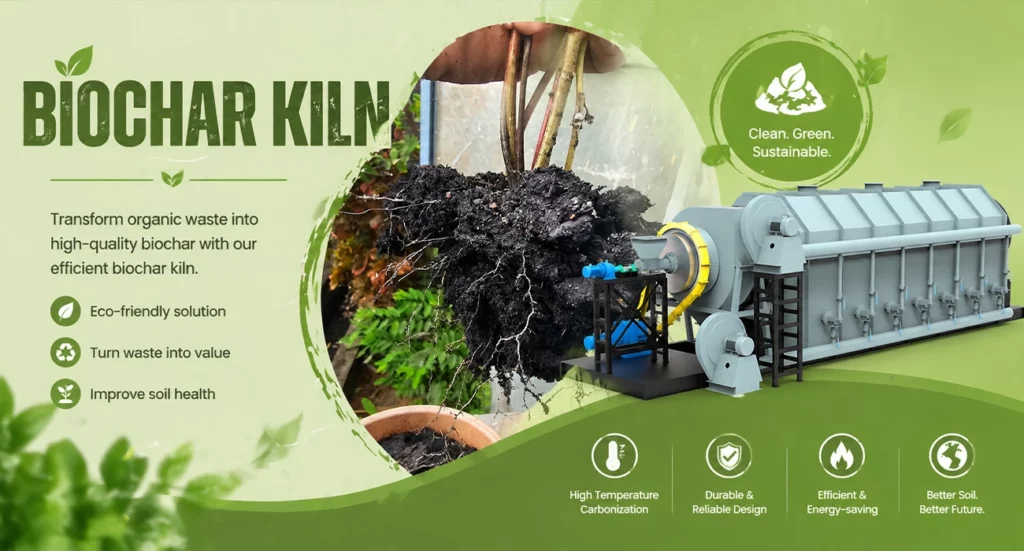
A continuous biochar furnace is a highly efficient carbonization device that converts carbonaceous materials (such as sawdust, rice husks, and straw) into charcoal or charcoal powder at high temperatures through dry distillation and oxygen-free carbonization. Its core principle is to control the temperature (typically 250°C to 800°C) and oxygen-deficient conditions in a sealed environment to remove moisture, pyroacetic acid, and wood tar from the raw materials, thereby increasing the carbonization rate. The equipment utilizes a continuous feed-and-discharge system, with raw materials input at one end and the finished product directly output at the other. Its highly automated operation replaces traditional intermittent kilns, significantly improving production efficiency.
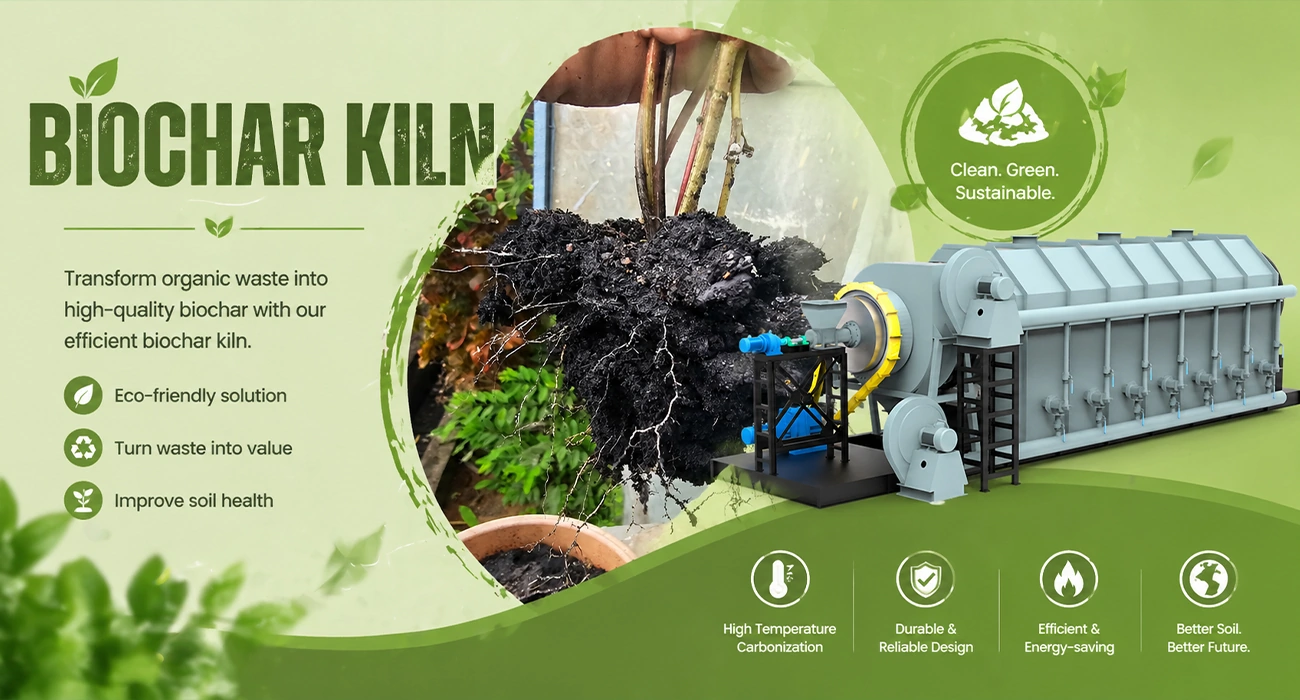
The Continuous biochar Furnace is a highly efficient, automated biomass pyrolysis system capable of continuous feeding, carbonization, and discharge under oxygen-free or low-oxygen conditions, enabling large-scale biomass waste processing. Its core principle is based on the pyrolysis reaction, which decomposes organic matter at high temperatures to produce biochar, combustible gases, and liquid byproducts. The following is a detailed explanation of its working principle:
In an oxygen-free or oxygen-limited environment, biomass (such as straw, sawdust, and sludge) undergoes chemical decomposition under heat. This decomposition occurs in three main stages:
Drying (100-200°C): Water evaporates.
Pyrolysis (200-600°C): Macromolecular organic matter (cellulose, hemicellulose, and lignin) is pyrolyzed, producing volatiles (gas and tar) and solid char.
Carbonization (600-800°C): Volatile matter is further pyrolyzed, stabilizing the char structure and increasing porosity.
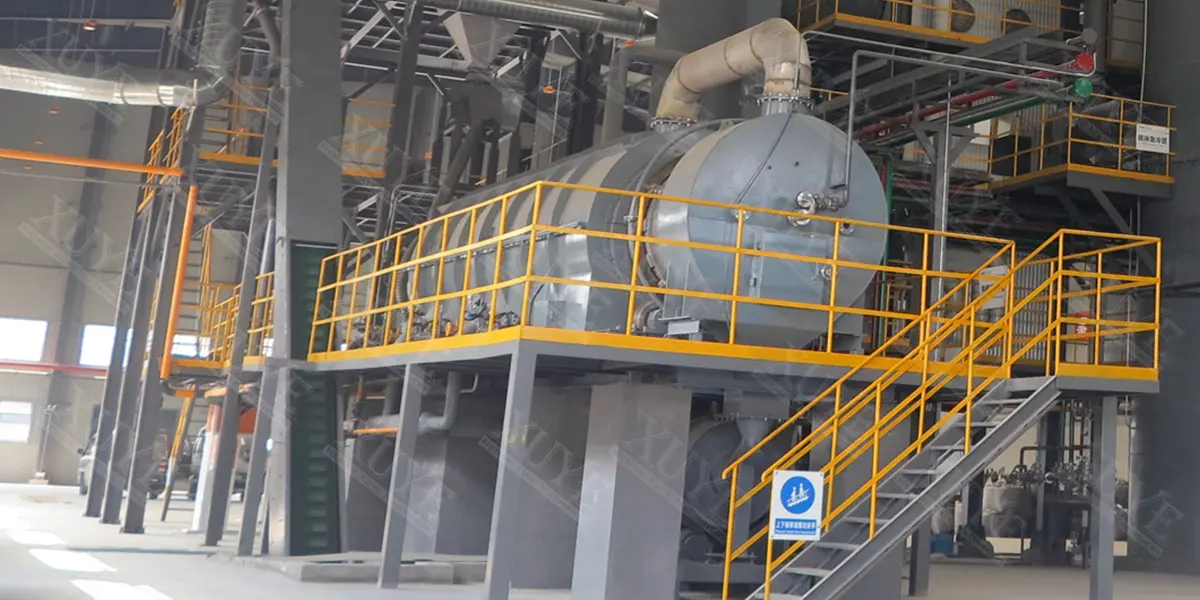
Low Emissions: Compared to traditional incineration methods, biochar stoves process biomass through pyrolysis (rather than direct combustion), reducing the release of CO₂ and harmful gases. For example, commercial-scale pyrolysis equipment can capture syngas and bio-oil for energy, avoiding the air pollution caused by open-air burning.
Waste Resource Utilization: Biochar stoves can process organic waste such as agricultural straw, sugarcane bagasse, and peanut shells, transforming biomass that would otherwise be burned or inefficiently used in the field into biochar, energy, and soil conditioners, effectively turning waste into treasure.
Application Scenarios: Suitable for a variety of fields, from agriculture to industry
Agricultural Production: Small mobile pyrolysis stoves can directly serve farms, processing biomass on-site and returning biochar to the fields, improving soil fertility (especially in acidic soils).
Scaled Processing: Large-scale pyrolysis plants are suitable for processing bulk feedstocks such as municipal waste and paper byproducts. Through continuous production, they output biochar, syngas, and bio-oil to meet energy or material needs.
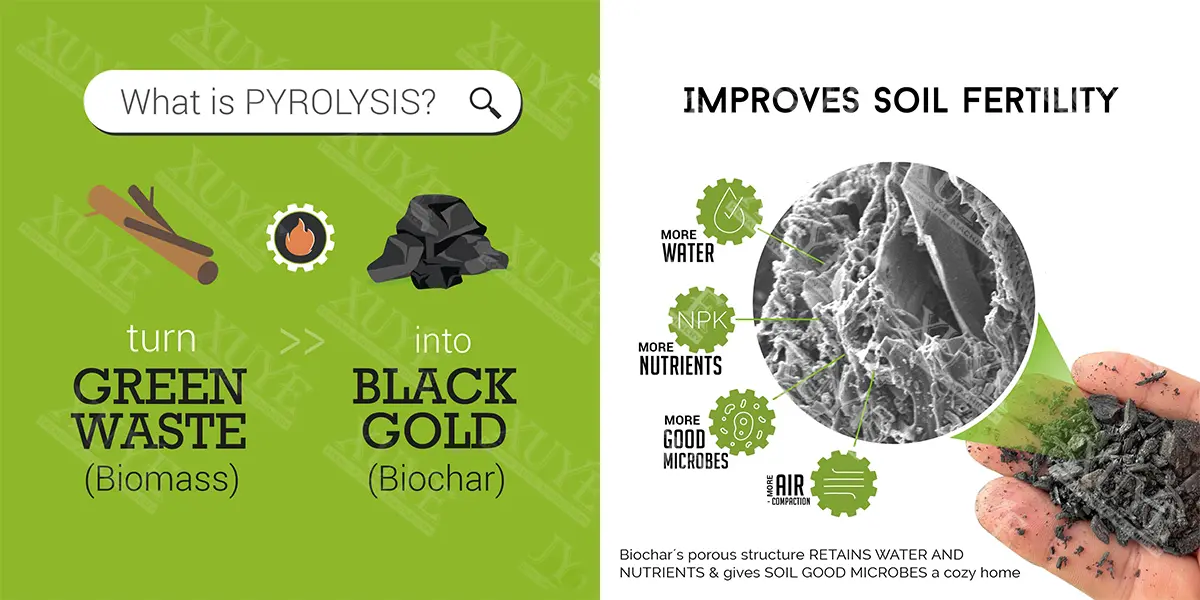
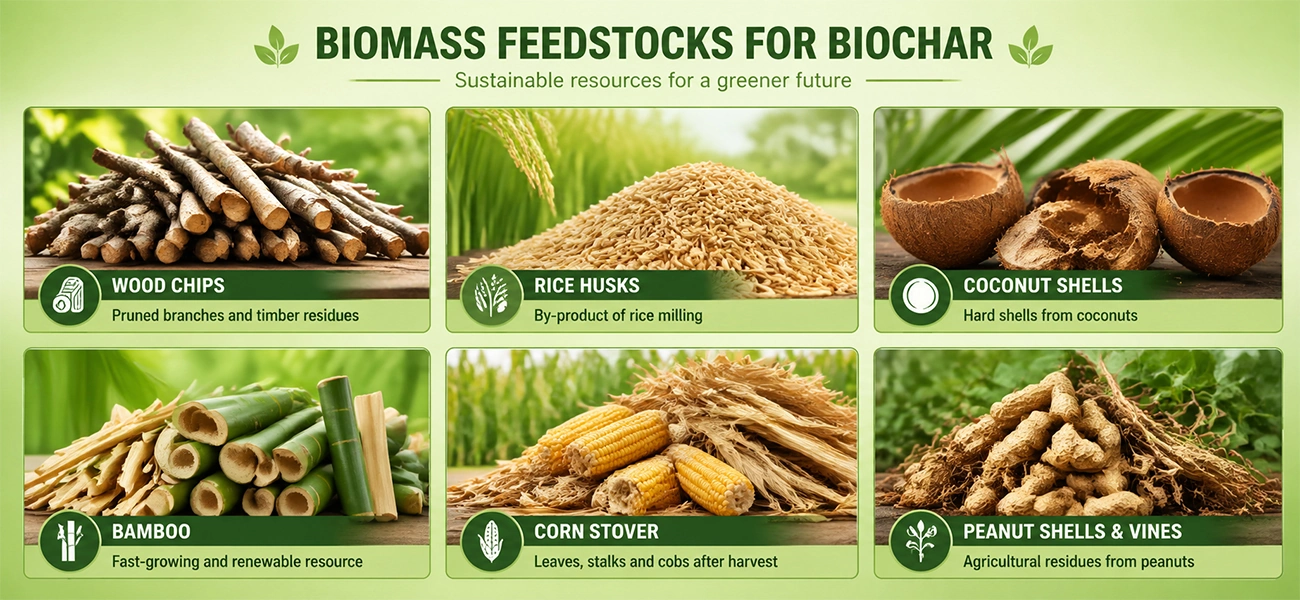
Biochar can be produced from a wide variety of biomass feedstocks, making it a highly flexible and sustainable material. Common raw materials include agricultural residues such as rice husks, corn cobs, wheat straw, coconut shells, and sugarcane bagasse, as well as forestry by-products like wood chips, sawdust, and bark. In addition, organic wastes such as bamboo, palm kernel shells, and even certain types of sludge can also be used, depending on local availability and processing requirements. These materials are typically low-cost, abundant, and often considered waste, which significantly reduces raw material expenses while contributing to environmental protection. By converting biomass waste into valuable biochar through pyrolysis, producers not only create a profitable product but also promote resource recycling and carbon sequestration, supporting a more sustainable and circular economy.
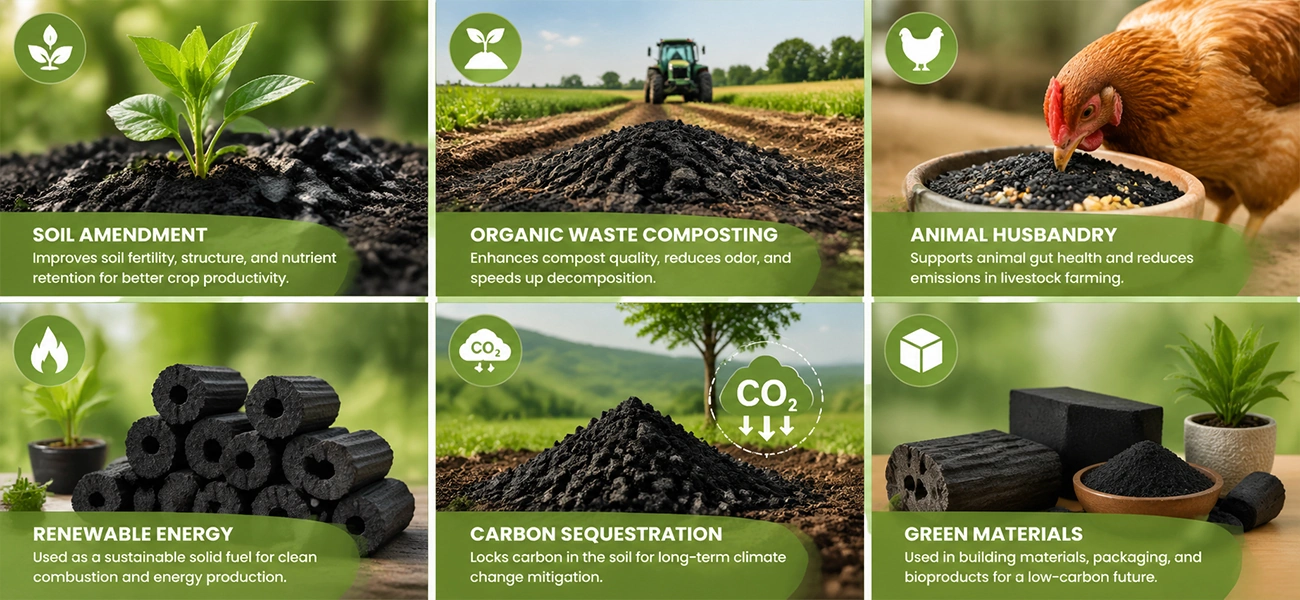
Biochar has a wide range of applications due to its porous structure, stable carbon content, and strong adsorption capacity. It is widely used across multiple industries, mainly including the following areas:
In the agricultural sector, biochar is used to improve soil structure, enhance water and nutrient retention, regulate soil pH, and promote microbial activity. These functions help increase crop yields and improve long-term soil fertility. It also reduces nutrient leaching and improves fertilizer efficiency, making it an effective soil amendment material.
In livestock and animal husbandry, biochar can be used as a feed additive, bedding material, and manure treatment agent. It helps absorb odors and harmful gases, improves the farming environment, reduces intestinal toxins in animals, enhances gut health, and supports the resource utilization of animal waste.
In the environmental protection field, biochar is commonly applied in wastewater treatment and air purification. It effectively adsorbs heavy metals, organic pollutants, and harmful gases, making it suitable for industrial wastewater treatment, stormwater purification, and soil remediation projects.
In the energy and materials industry, biochar can be used as a solid fuel or energy carrier. It is also a valuable raw material for producing activated carbon, composite materials, and electrode materials, which are widely applied in new energy batteries, energy storage systems, and advanced functional materials.
In addition, in the carbon reduction and climate change mitigation field, biochar is considered an important carbon sequestration material. Due to its stable carbon structure, it can lock carbon in soil for long periods, helping reduce carbon dioxide levels in the atmosphere and supporting carbon neutrality goals.
Overall, biochar has evolved from traditional agricultural use to a multifunctional material widely applied in environmental protection, energy, and industrial sectors, demonstrating strong economic value and sustainability potential.

| Model | XY-800 | XY-1000 | XY-1200 | XY-1500 | XY-1800 | XY-2000 |
| Number of cylinder layers | Single | Single | Double | Double | Double | Double |
| Cylinder diameter | 800mm | 1000mm | 1200/700mm | 1500/900mm | 1800/1200mm | 2000/1500mm |
| Capacity | 200-300kg/h | 300-400kg/h | 450-600kg/h | 600-800kg/h | 800-1000kg/h | 1000-1200kg/h |
| Cylinder material | 309S/310S/316L | 309S/310S/316L | 309S/310S/316L | 309S/310S/316L | 309S/310S/316L | 309S/310S/316L |
| Temerature | 500-800ºC | 500-800ºC | 500-800ºC | 500-800ºC | 500-800ºC | 500-800ºC |
| Carbonization time | 20-60min | 20-60min | 20-60min | 20-60min | 20-60min | 20-60min |
| Raw material particle size | ≤4cm | ≤4cm | ≤4cm | ≤4cm | ≤4cm | ≤4cm |
| Heating method | indirect heating | indirect heating | indirect heating | indirect heating | indirect heating | indirect heating |
| Operation mode | continuously working | continuously working | continuously working | continuously working | continuously working | continuously working |
| Control method | PLC control | PLC control | PLC control | PLC control | PLC control | PLC control |