 Henan Xuye Machinery Equipment Co., Ltd.

SEARCH WHAT YOU WANT
Search allProductNews
SEARCH
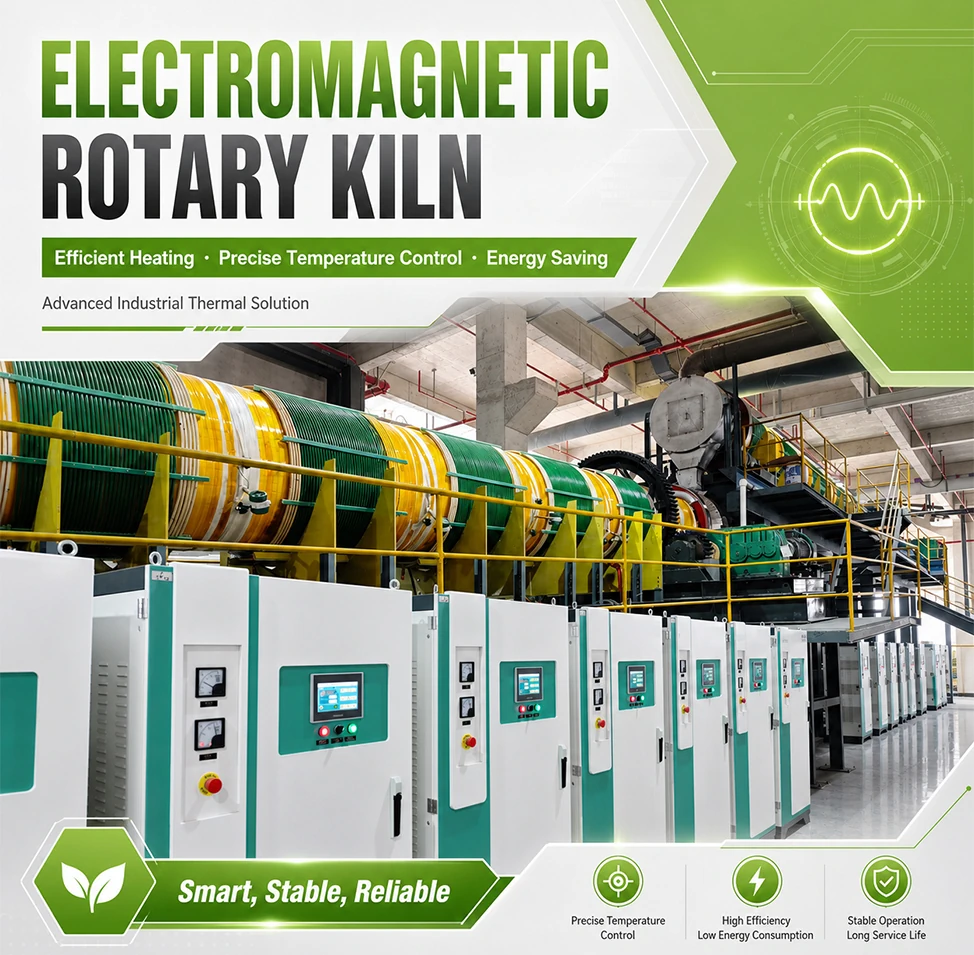
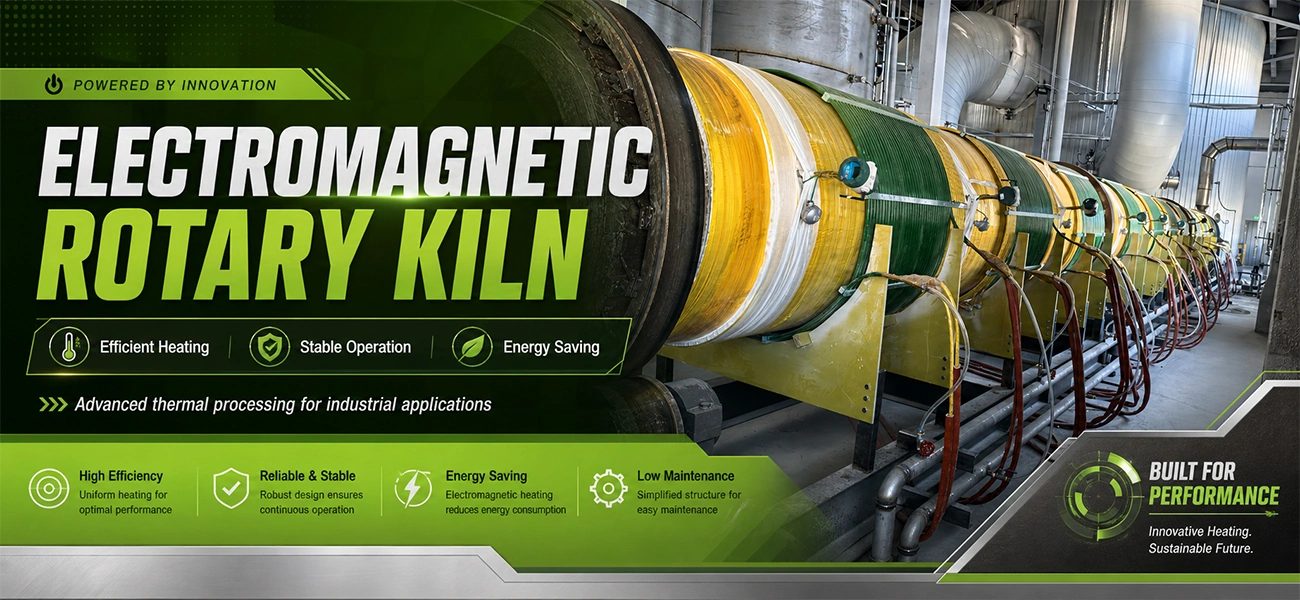
The Desulfurization Ash Treatment Electromagnetic Heating Rotary Kiln is an advanced thermal processing system specially designed for the harmless treatment, calcination, recycling, and resource utilization of desulfurization ash. Using electromagnetic induction heating technology, this rotary kiln provides uniform heating, precise temperature control, high thermal efficiency, and environmentally friendly operation for industrial solid waste treatment applications.
This electromagnetic heating rotary kiln is widely used in power plants, steel mills, environmental protection projects, chemical industries, and industrial waste recycling plants for desulfurization ash processing and mineral roasting.
Desulfurization ash is a byproduct generated during flue gas desulfurization (FGD) processes in coal-fired power plants, steel factories, and industrial boilers. It usually contains:
Improper disposal of desulfurization ash may cause environmental pollution and waste of recyclable resources. Therefore, thermal treatment and recycling technologies are increasingly important in modern industrial waste management.
Traditional treatment equipment often suffers from:
The electromagnetic heating rotary kiln solves these problems through clean induction heating technology and continuous rotary calcination processing.
Main advantages include:
The electromagnetic heating rotary kiln adopts induction coils installed outside the kiln body. When electricity passes through the coils, electromagnetic energy generates heat directly on the kiln shell.
During operation:
The indirect heating design minimizes heat loss and improves thermal utilization efficiency.
Electromagnetic induction heating directly heats the kiln body with minimal energy loss, significantly improving overall thermal efficiency.
Advanced automatic control systems allow accurate adjustment of calcination temperatures according to different desulfurization ash compositions.
The rotary kiln supports continuous feeding and discharge, suitable for large-scale industrial production.
The rotating cylinder ensures full contact between materials and heat, improving calcination consistency and treatment quality.
Compared with coal-fired or gas-fired rotary kilns, electromagnetic heating produces:
The kiln uses high-temperature resistant materials, durable refractory linings, and stable electromagnetic systems for long-term industrial operation.
This electromagnetic rotary kiln is suitable for:
Industries served include:
| Item | Electromagnetic Heating Rotary Kiln | Traditional Fuel Rotary Kiln |
|---|---|---|
| Heating Method | Electromagnetic Induction | Coal / Gas / Oil Combustion |
| Energy Consumption | Lower | Higher |
| Temperature Control | Accurate | Relatively Difficult |
| Heating Uniformity | Excellent | Moderate |
| Environmental Pollution | Low | Higher |
| Maintenance Cost | Lower | Higher |
| Automation Level | High | Medium |
Electromagnetic induction heating technology offers several important industrial benefits:
This technology is becoming increasingly popular in modern industrial kiln systems due to stricter environmental regulations and rising energy costs.
The Desulfurization Ash Treatment Electromagnetic Heating Rotary Kiln can be customized with:
Customized kiln dimensions, heating power, and processing capacity are available according to project requirements.
After thermal treatment, desulfurization ash can potentially be reused in:
This helps reduce landfill disposal costs while improving industrial waste resource utilization.
Our electromagnetic rotary kiln system combines advanced induction heating technology, intelligent automation, and industrial-grade durability to provide reliable desulfurization ash treatment solutions.
Key benefits include:
We provide complete technical support, equipment customization, installation guidance, and after-sales service for global industrial customers.
The treatment temperature typically ranges from 400°C to 1000°C depending on the ash composition and treatment objectives.
Yes. Electromagnetic induction heating significantly improves thermal efficiency and reduces energy waste compared with conventional combustion heating.
Yes. The rotary kiln is designed for continuous industrial production with automatic feeding and discharge systems.
Yes. Dust collection and gas purification systems are recommended to ensure environmentally compliant operation.
Yes. The kiln size, heating power, processing capacity, and automation system can all be customized according to customer requirements.