 Henan Xuye Machinery Equipment Co., Ltd.

SEARCH WHAT YOU WANT
Search allProductNews
SEARCH
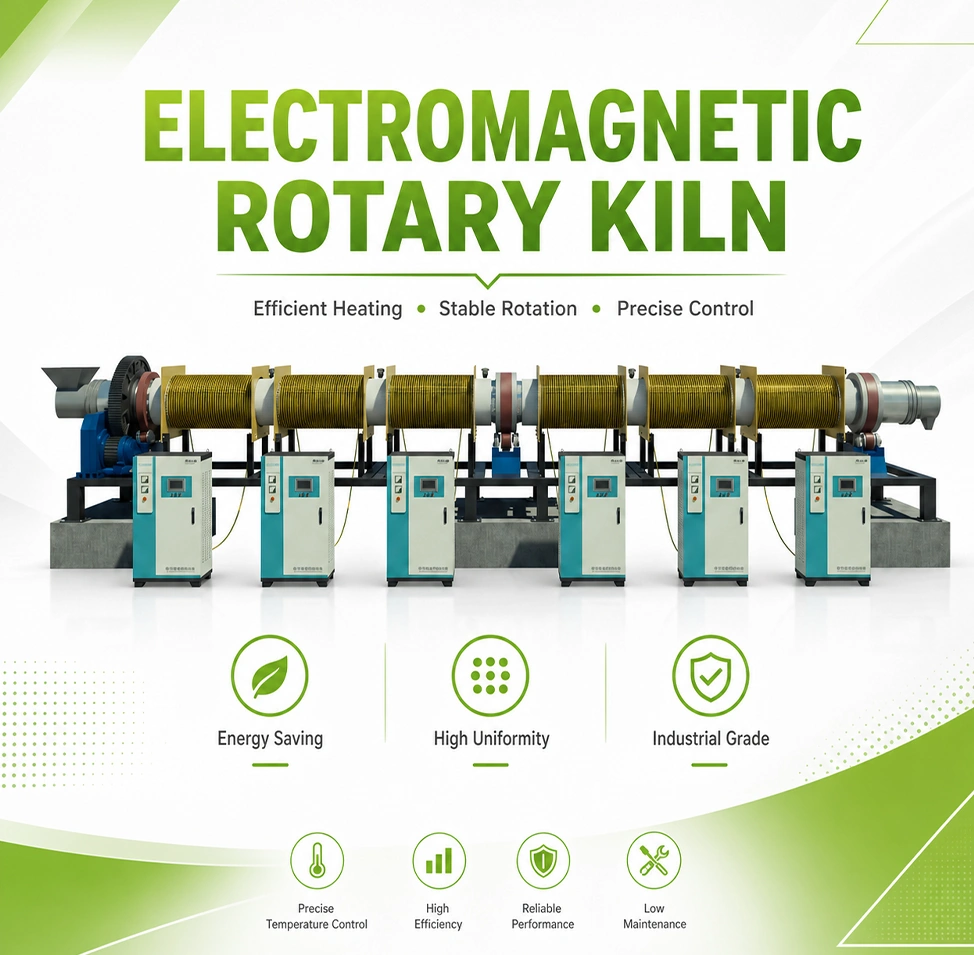
The Gold Ore De-Arsenification Electromagnetic Rotary Kiln is a high-efficiency thermal processing system specially designed for arsenic removal from refractory gold ores. By combining electromagnetic induction heating technology with continuous rotary kiln processing, this equipment provides uniform heating, precise temperature control, energy saving, and environmentally friendly operation for gold ore pretreatment.
This electromagnetic rotary kiln is widely used in gold beneficiation plants, metallurgical industries, mining companies, and mineral processing projects requiring arsenic volatilization and impurity removal before cyanidation or smelting.
Gold ores containing arsenopyrite, realgar, or other arsenic-bearing minerals often reduce gold extraction efficiency and increase environmental risks. De-arsenification roasting is a thermal treatment process that removes arsenic compounds from the ore under controlled temperatures.
The roasting process helps:
The electromagnetic rotary kiln offers cleaner and more controllable heating compared with traditional coal-fired or resistance-heated rotary kilns.
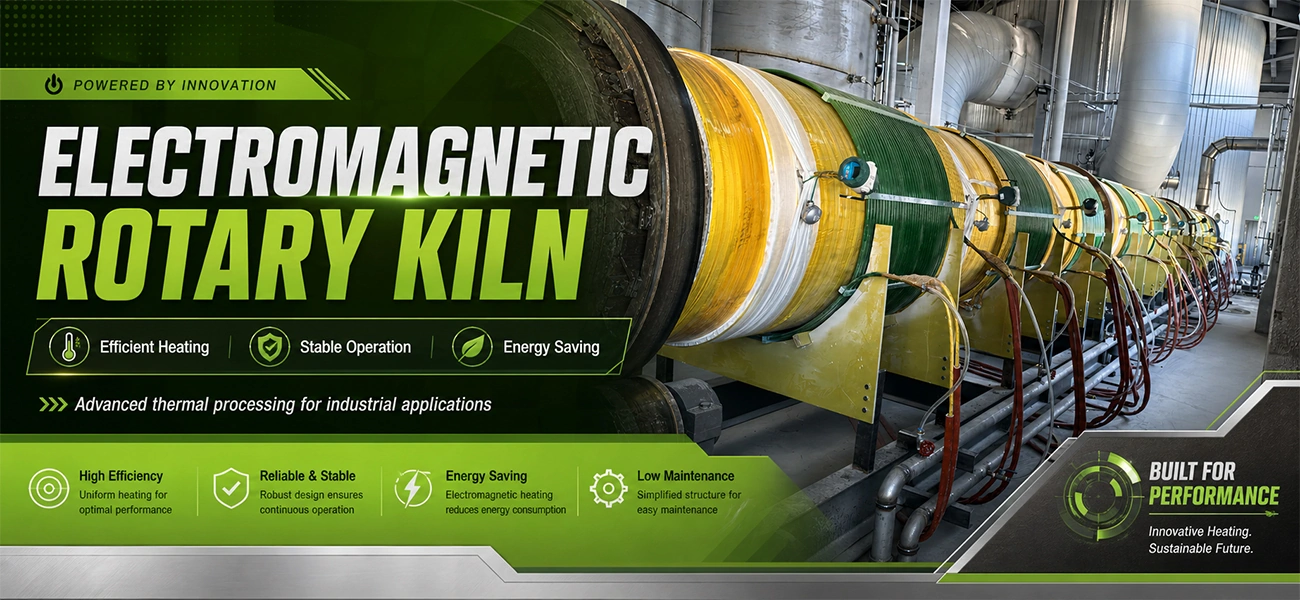
The Gold Ore De-Arsenification Electromagnetic Rotary Kiln uses electromagnetic induction coils to generate heat directly on the kiln body. The rotating cylinder continuously tumbles the gold ore materials, ensuring even heat distribution and stable roasting conditions.
During operation:
This indirect heating method significantly reduces heat loss and improves energy utilization efficiency.
Electromagnetic induction heating provides rapid temperature rise and excellent thermal efficiency, reducing energy consumption compared with conventional fuel-fired kilns.
The intelligent control system accurately adjusts roasting temperatures, helping maintain stable de-arsenification conditions and improving gold recovery performance.
The rotating structure continuously mixes the ore, ensuring homogeneous heating and complete arsenic removal.
Compared with traditional combustion systems, electromagnetic heating reduces:
The rotary kiln supports automatic continuous feeding and discharge, suitable for medium and large-scale gold ore processing plants.
The kiln body uses high-temperature resistant materials and durable refractory lining for stable long-term industrial operation.
The electromagnetic rotary kiln is suitable for various mineral roasting applications, including:
It is widely used in:
| Item | Electromagnetic Rotary Kiln | Traditional Fuel Rotary Kiln |
|---|---|---|
| Heating Method | Electromagnetic Induction | Coal / Gas / Oil Combustion |
| Thermal Efficiency | High | Medium |
| Temperature Control | Precise | Relatively Difficult |
| Energy Consumption | Lower | Higher |
| Environmental Impact | Cleaner | More Emissions |
| Heating Speed | Fast | Slower |
| Maintenance Cost | Lower | Higher |
Electromagnetic induction technology directly heats the kiln shell without relying on external flame combustion. This innovative heating method offers:
The system can also be integrated with PLC automatic control systems, temperature monitoring systems, and exhaust gas purification systems for intelligent industrial operation.
According to customer requirements, the Gold Ore De-Arsenification Electromagnetic Rotary Kiln can be equipped with:
Compared with conventional roasting equipment, electromagnetic rotary kilns provide higher energy efficiency, cleaner production, and more stable process control. The technology is especially suitable for modern gold ore beneficiation plants seeking environmentally friendly and low-energy mineral processing solutions.
With increasing environmental regulations and energy-saving requirements in the mining industry, electromagnetic heating rotary kilns are becoming an ideal choice for gold ore de-arsenification projects worldwide.
The roasting temperature typically ranges from 500°C to 900°C depending on the ore composition and arsenic mineral content.
Yes. The equipment supports continuous feeding, roasting, and discharge for industrial-scale production.
Yes. Arsenic-containing gases generated during roasting should be treated using professional gas purification and dust collection systems.
Electromagnetic induction heating improves thermal efficiency and reduces fuel-related heat loss, helping lower overall energy consumption.
Yes. Kiln diameter, length, heating power, temperature range, and automation systems can all be customized according to project requirements.