 Henan Xuye Machinery Equipment Co., Ltd.
SEARCH WHAT YOU WANT
Search allProductNews
SEARCH
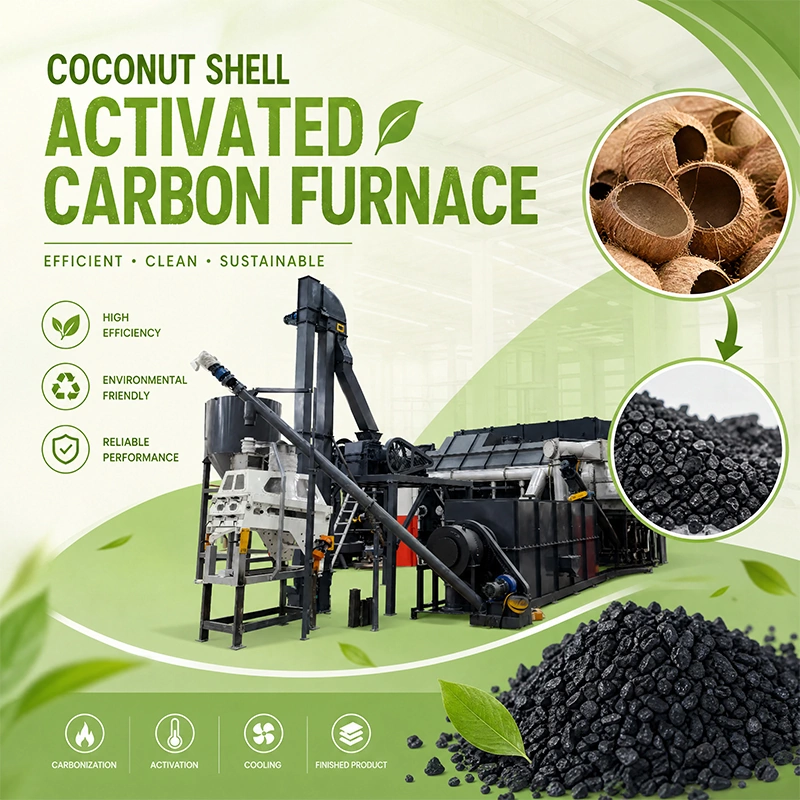
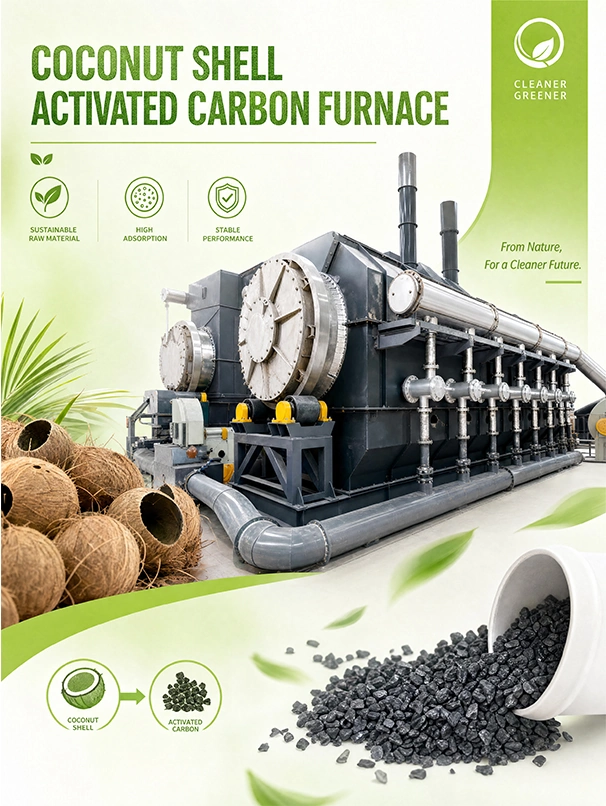
Coconut shell activated carbon is one of the most valuable forms of activated carbon on the global market, prized for its high hardness, low ash content, well-developed micropore structure, and excellent adsorption performance. Turning raw coconut shells into commercial-grade activated carbon requires precise, reliable, and energy-efficient machinery — and that is exactly what our coconut shell activated carbon machinery delivers.
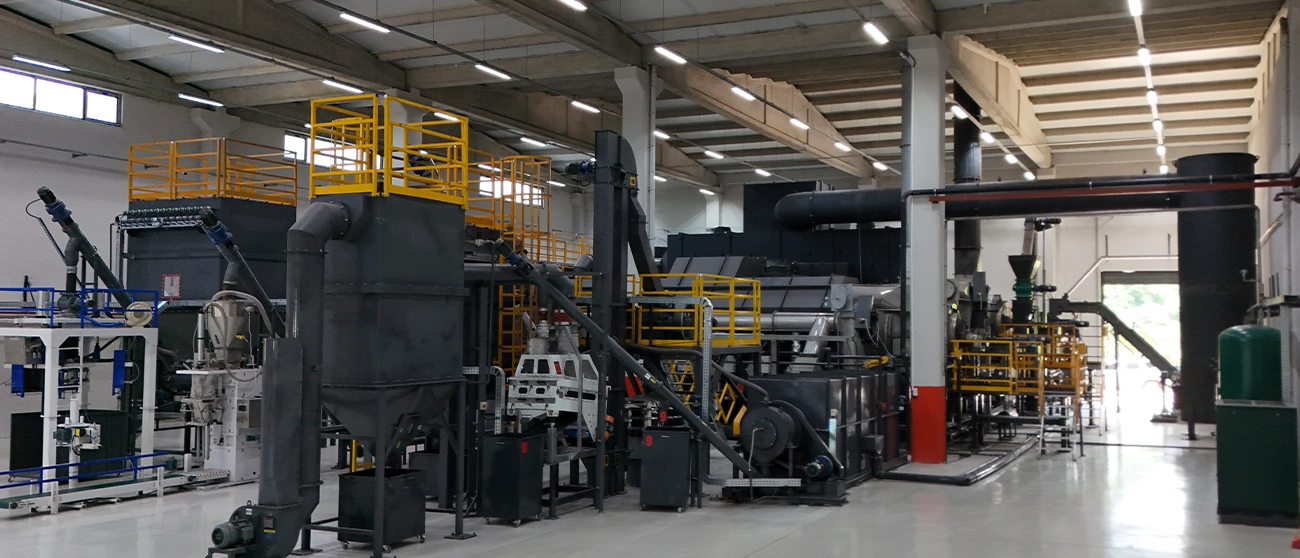
Whether you are starting a new activated carbon production business, expanding an existing carbonization plant, or upgrading outdated equipment, our complete line of coconut shell activated carbon machines gives you everything you need: from shell crushing and carbonization to steam activation, cooling, crushing, screening, and packing. Every machine is engineered for continuous, stable operation, low energy consumption, and consistent product quality that meets international standards for water treatment, air purification, food and beverage decolorization, gold recovery, and industrial gas purification.
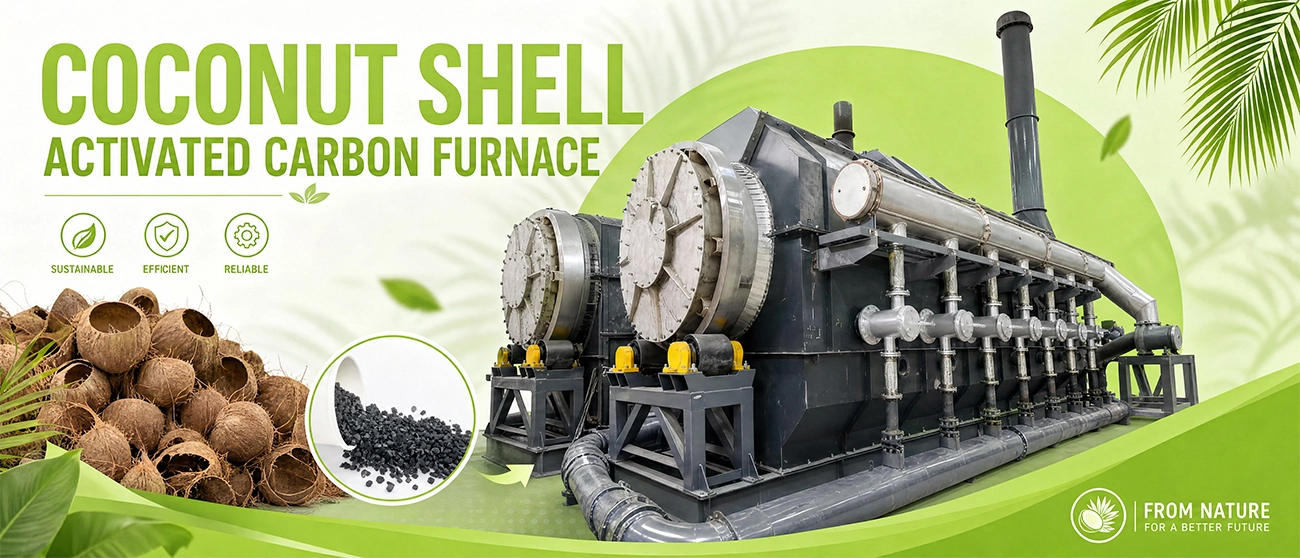
Coconut shell activated carbon machinery refers to the complete set of industrial equipment used to convert raw coconut shells into finished activated carbon products, including granular activated carbon (GAC), coconut shell carbon for water filters, and powdered activated carbon (PAC).
The process typically involves several key stages:
Each of these stages requires purpose-built machinery. Using generic or mismatched equipment leads to inconsistent carbonization, low iodine value, high ash content, and reduced adsorption capacity — all of which hurt product value and customer satisfaction. Our coconut shell activated carbon machinery is specifically designed and calibrated for coconut shell raw material, ensuring optimal fixed carbon content, iodine number, and hardness in every batch.
Before carbonization, raw coconut shells must be crushed into uniform pieces (typically 5–20 mm) to ensure even heating and consistent carbonization quality. Our coconut shell crushing machine uses a rugged hammer-mill or roller-crusher design built to handle the extreme hardness of coconut shells without excessive blade wear.
Key features:
The carbonization furnace is the heart of any coconut shell charcoal production line. It pyrolyzes crushed coconut shells at 400–700°C in a low-oxygen environment, driving off volatile compounds and producing high-fixed-carbon coconut shell charcoal — the essential raw material for activation.
All carbonization furnaces feature:
After carbonization, coconut shell charcoal is transferred to the activation furnace, where it is treated with high-temperature steam (typically 850–950°C) to develop the fine pore network responsible for adsorption performance. This is the stage that transforms ordinary charcoal into true activated carbon with measurable iodine value, methylene blue value, and specific surface area.
Our activation furnace models include:
Technical highlights:
Freshly activated carbon exits the activation furnace at extremely high temperatures and must be cooled rapidly and safely before further processing. Our cooling equipment includes water-jacketed screw coolers and rotary drum coolers that bring activated carbon down to a safe handling temperature without exposing it to oxygen (which would cause reignition or loss of activation quality).
Features:
Depending on the target product — granular activated carbon or powdered activated carbon — the cooled carbon is further crushed or ground. Our post-activation crushers and pulverizers are designed to minimize dust loss and fines generation while achieving precise particle size control.
A multi-layer vibrating screen separates the crushed activated carbon into standard mesh-size fractions to meet customer specifications and international quality grades. Oversized particles are automatically returned for re-crushing, while undersized fines are separated for alternate use, maximizing yield and minimizing waste.
Features:
The final stage of the coconut shell activated carbon machinery line is automated or semi-automated packing. Our packing machines accurately weigh and bag finished activated carbon into standard packaging (25 kg bags, jumbo bags, or custom sizes), ready for storage, distribution, or export.
Features:
High-speed operation to match upstream production capacity
Automatic weighing with high accuracy (±0.1–0.2% error margin)
Compatible with woven bags, kraft paper bags, or jumbo bags
Dust-tight design to protect product quality and operator health
Activated carbon produced with our machinery is suitable for a broad range of industries:
The versatility and high market value of coconut shell activated carbon make it one of the most profitable products manufacturers can produce with the right machinery investment.
| capacity | 5-8t/d | 8-10t/d | 10-12t/d | 12-15t/d | 15-20t/d |
| Dryer model | HG-800 | HG-1000 | HG-1200 | HG-1500 | HG-1800 |
| Dryer power | 3kw | 4kw | 7.5kw | 15kw | 22kw |
| continuous carbonization furnace model | TH-1500 | TH-1500 | TH-1800 | TH-2000 | TH-2000 |
| Carbonization temperature | 600-850℃ | ||||
| Fixed carbon content after carbonization | 70-80% | ||||
| Carbonization furnace drum material | 309S/310S | 309S/310S | 309S/310S | 309S/310S | 309S/310S |
| Activation furnace model | HN-5 | HN-8 | HN-10 | HN-12 | HN-15 |
| Activation furnace power | 15kw | 22kw | 30kw | 37kw | 37kw |
| Activation furnace chamber material | QQ345+nano thermal insulation board+refractory | ||||
| Activation temperature | 850-950℃ | ||||
| Activator | Water vapor or Phosphoric acid (customized according to customer requirements, equipment design will be updated) | ||||
| Activation time | 1-2h | ||||
| Cooling machine model | GTL-1004 | GTL-1204 | GTL-1206 | GTL-1504 | GTL-1506 |
| Temperature after cooling | ≤40℃ | ||||
| Activated carbon crusher model | SGP-400 | SGP-400 | SGP-600 | SGP-800 | SGP-800 |
| Activated carbon finished product size | 4-60mesh | ||||
| Activated carbon iodine value | 800-1300mg/g | ||||
| Activated carbon specific surface area | 800-1500m²/g | ||||
| Activated carbon strength | ≥95 | ||||
| CTC | ≥60% | ||||
| Filling density | 0.45-0.55g/cm3 | ||||
| Activated carbon ash | ≤3% | ||||
Frequently asked questions
Here are answers to some frequently asked questions about skid-mounted carbonization furnaces. If you have any other questions, please feel free to contact our customer service team directly, and we will be happy to provide you with a detailed explanation.
For best results, raw coconut shells should be dried to a moisture content below 15% before crushing and carbonization. Excess moisture increases fuel consumption and can reduce carbonization efficiency.
Yes. Most of our carbonization and activation equipment can also process similar hard biomass materials such as palm kernel shell, walnut shell, fruit stones, and bamboo, with minor parameter adjustments.
With proper raw material preparation and correctly calibrated activation parameters, our equipment is capable of producing coconut shell activated carbon with iodine values ranging from 900 to 1100 mg/g or higher, depending on target grade.
Most activation furnace configurations require a steam source. We can supply an integrated steam-generation system or help you size an appropriate boiler based on your furnace capacity and production targets.
Yes. We provide full technical documentation, and can arrange on-site or remote installation guidance along with operator training to ensure your team can run the production line safely and efficiently from the start.