 Henan Xuye Machinery Equipment Co., Ltd.

SEARCH WHAT YOU WANT
Search allProductNews
SEARCH
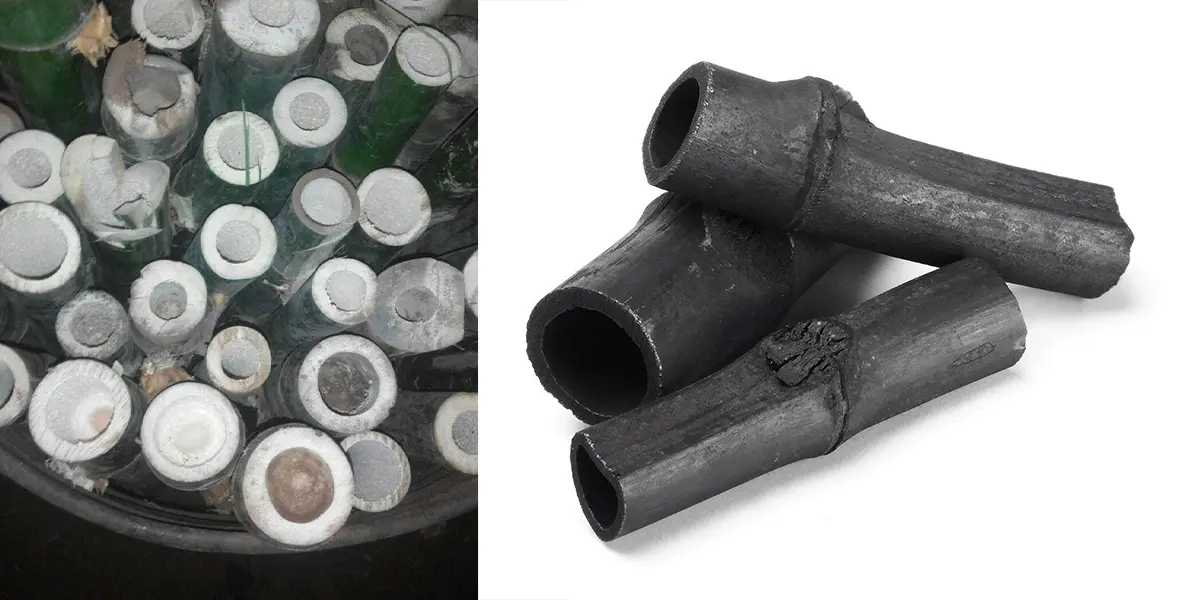
Bamboo biochar production equipment is a specialized machine that converts bamboo into biochar through high-temperature pyrolysis (in an oxygen-free or low-oxygen environment). This equipment not only produces high-quality biochar but also recycles pyrolysis gases (such as methane and hydrogen) and byproducts (wood vinegar and bamboo tar), achieving resource recycling.
Bamboo biochar production equipment is a popular choice in the agricultural, environmental, and energy sectors due to its environmental friendliness, high efficiency, and cost-effectiveness. Bamboo, a rapidly renewable resource, can be converted into biochar through pyrolysis, which not only improves soil quality, absorbs pollutants, but also sequesters carbon.
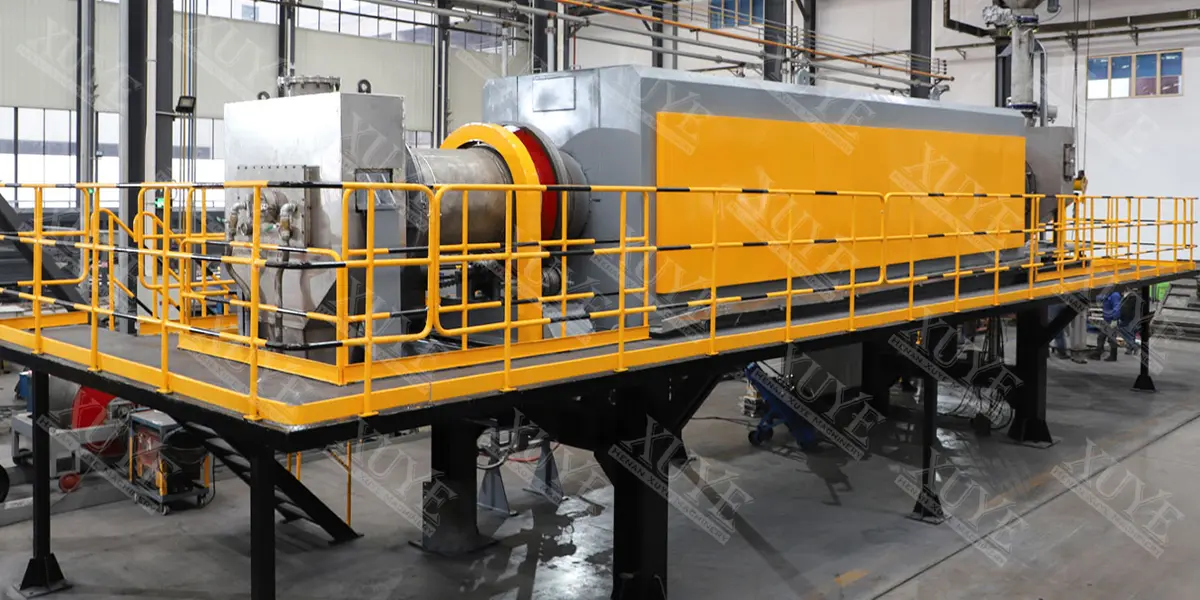
The continuous bamboo biochar production equipment facility’s carbonization furnace utilizes oxygen-free or low-oxygen pyrolysis technology, breaking down bamboo and other raw materials at high temperatures of 500-850°C into biochar, combustible gases (such as methane and hydrogen), and byproducts (wood vinegar and tar). The core process includes:
Pretreatment: Raw materials (such as bamboo chips) are crushed and dried (moisture content <15%) before being fed into the carbonization furnace.
Pyrolysis and carbonization: Under the high-temperature conditions of the furnace, the raw materials undergo drying, pyrolysis, and carbonization to produce biochar.
Gas Recovery: Combustible gases generated by pyrolysis are recovered and used to maintain the furnace temperature, reducing energy consumption.
Cooling and Charcoal Discharge: The carbonized biochar is cooled by water or air to prevent spontaneous combustion.
Traditional Batch Carbonization Furnaces
Batch Operation: Single Loading → Carbonization → Cooling → Discharging (Cyclic Operation)
Pyrolysis Method: Static Carbonization, Low Temperature Control Accuracy (±50°C)
Typical Structures: Brick Kiln, Metal Vertical Carbonization Furnace
Continuous Carbonization Furnaces
Uninterrupted Operation: Feeding → Carbonization → Discharging Simultaneously
Pyrolysis Method: Dynamic Carbonization, Precise Temperature Control (±10°C)
Typical Structures: Rotary Kiln, Screw-Propeller, Downdraft Gasification Furnace
Key Difference: Continuous furnaces achieve simultaneous charging and discharging, while batch furnaces must completely cool before recharging.
Charcoal capacity:
Batch Furnace: 20-25% (High Heat Loss)
Continuous Furnace: 28-35% (Excellent Waste Heat Recovery)
Specific Surface Area:
Batch Furnace: 200-400 m²/g (Large Temperature Fluctuation)
Continuous Furnace: 400-800 m²/g (Precise Temperature Control)
| Model | XY-800 | XY-1000 | XY-1200 | XY-1500 | XY-1800 | XY-2000 |
| Number of cylinder layers | Single | Single | Double | Double | Double | Double |
| Cylinder diameter | 800mm | 1000mm | 1200/700mm | 1500/900mm | 1800/1200mm | 2000/1500mm |
| Capacity | 200-300kg/h | 300-400kg/h | 450-600kg/h | 600-800kg/h | 800-1000kg/h | 1000-1200kg/h |
| Cylinder material | 309S/310S/316L | 309S/310S/316L | 309S/310S/316L | 309S/310S/316L | 309S/310S/316L | 309S/310S/316L |
| Temerature | 500-800ºC | 500-800ºC | 500-800ºC | 500-800ºC | 500-800ºC | 500-800ºC |
| Carbonization time | 20-60min | 20-60min | 20-60min | 20-60min | 20-60min | 20-60min |
| Raw material particle size | ≤4cm | ≤4cm | ≤4cm | ≤4cm | ≤4cm | ≤4cm |
| Heating method | indirect heating | indirect heating | indirect heating | indirect heating | indirect heating | indirect heating |
| Operation mode | continuously working | continuously working | continuously working | continuously working | continuously working | continuously working |
| Control method | PLC control | PLC control | PLC control | PLC control | PLC control | PLC control |

With a wide variety of continuous wood biochar kiln models on the market, users need to select the most suitable equipment based on their needs. The following are key considerations:
The production capacity of different continuous carbonization furnace models varies significantly, ranging from tens of kilograms to nearly one ton per hour. Small equipment is suitable for startups or small-scale applications, while large continuous production lines are suitable for industrial-scale production. When choosing a suitable equipment, consider raw material availability, market demand, and investment budget.
Multi-layer continuous carbonization furnaces generally offer higher space utilization and production efficiency. For example, a patented design utilizes multiple layers of staggered semicircular carbonization beds, with a central rotating shaft driving the unloading rake to achieve continuous production. This compact design offers impressive production capacity.
Different equipment has varying requirements for raw material type and specifications. Most continuous carbonization furnaces are suitable for processing granular raw materials under 15 mm, such as sawdust, rice hulls, and peanut shells. Some specialized models can handle larger raw materials, such as wood bar carbonization furnaces that can handle rods several centimeters in diameter.
For high-moisture raw materials, a model equipped with a pre-drying system is ideal. For example, a biomass continuous carbonization system features an integrated drying system that can process raw materials such as sawdust and wood chips with a moisture content below 30%. This design avoids the high energy consumption associated with direct carbonization of wet raw materials.
A rigorous flue gas treatment system is a core feature of an environmentally friendly continuous carbonization furnace. High-quality equipment typically features multi-stage purification, including spray cooling, dust removal, and tar and wood vinegar collection, to ensure emissions meet standards. Before purchasing, it’s important to check whether the equipment’s emissions data complies with local environmental regulations.
The “autogenous combustion” design is another environmentally friendly feature. For example, some models recycle the carbonization flue gas by returning it to a purification system, converting it into combustible gas, which is then returned to the furnace for combustion, achieving virtually smokeless emissions.
Modern continuous carbonization furnaces have varying levels of automation. Basic models may require significant manual operation, while high-end equipment features PLC control systems that automatically adjust parameters such as temperature, feed rate, and gas flow. The use of IoT technology also allows for remote monitoring and troubleshooting, significantly reducing the need for skilled operators.
For users seeking stable production and consistent product quality, choosing highly automated equipment, while requiring a higher initial investment, can reduce labor costs and production fluctuations in the long term.
As professional equipment, continuous carbonization furnaces require reliable technical support. High-quality suppliers typically provide a full range of services, from installation and commissioning to operational training. In Xuye’s activated carbon production line project in Turkey, the technical team not only performed comprehensive installation services but also trained the customer’s operational team to ensure smooth operation of the equipment.