 Henan Xuye Machinery Equipment Co.


BUSCA LO QUE QUIERAS
Buscar todosProductoNoticias
BUSCAR
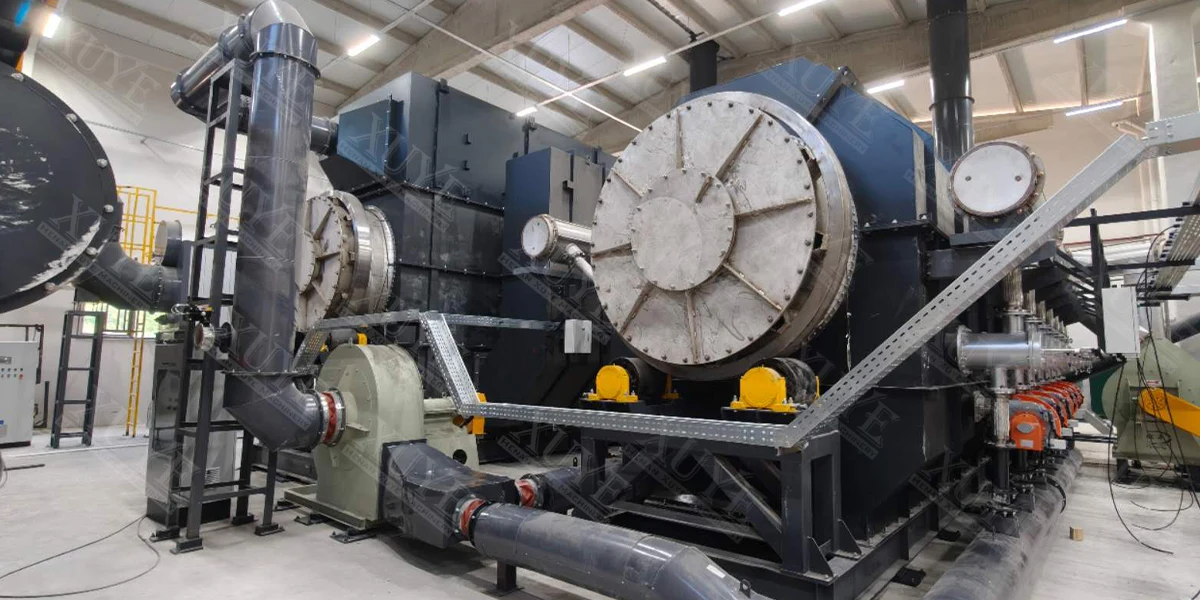
Coal-based granular activated carbon kilns are specialized thermal equipment for producing coal-based granular activated carbon. Through two core processes, carbonization and activation, they transform raw materials such as anthracite into a porous adsorbent material. Their operating principle is as follows:
Carbonization: Coal (such as high-quality anthracite) is heated in an oxygen-free environment, causing pyrolysis to form a carbon structure and remove volatiles, creating initial pores.
Activation: Activators such as steam and carbon dioxide are introduced under high temperature and pressure to further expand pores, increase specific surface area, and enhance adsorption performance.
Forming and Post-Processing: The carbonized and activated material is crushed, screened (typically to a particle size of 2-4 mm), washed, and dried to produce the finished granular activated carbon.
Raw Material Compatibility: Anthracite is the primary raw material, but lignite, bituminous coal, and other types can also be processed. Raw materials are selected based on carbon content and density.
Product Specifications: The mainstream product is 2-4 mm granular activated carbon, with a specific surface area of 800-1200 m²/g and a strength of ≥90%. Environmental protection requirements: It must be equipped with tail gas treatment equipment to reduce sulfide and nitrogen oxide emissions and comply with clean production standards.
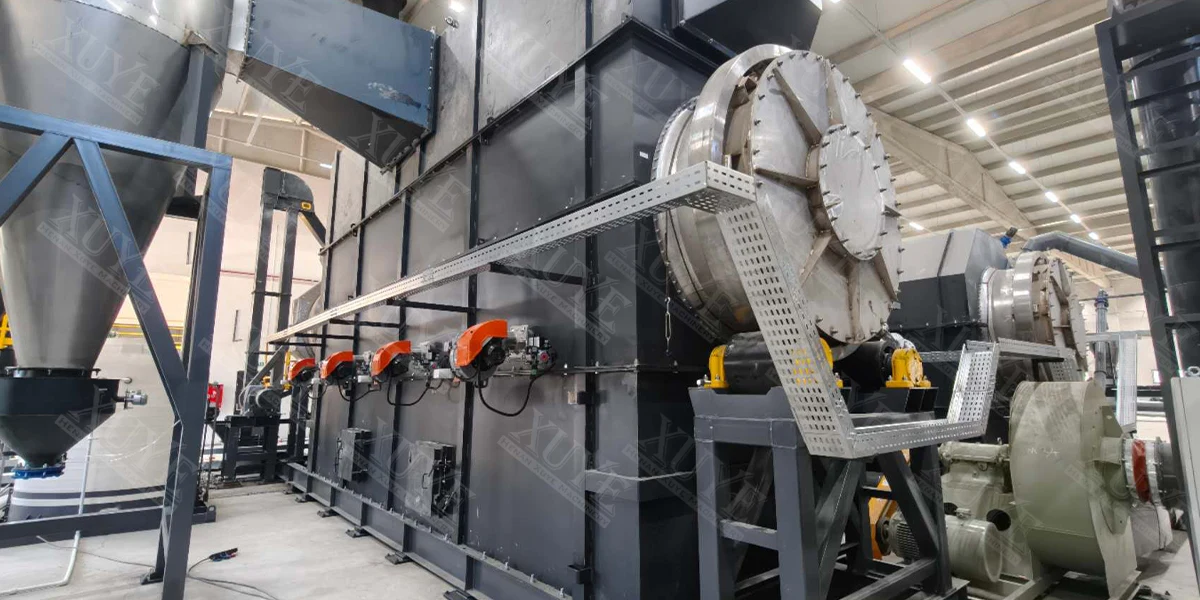
Temperature Control: 400-600°C for the carbonization stage and 800-1000°C for the activation stage, with an accuracy of ±5°C to ensure pore structure stability.
Atmosphere Control: Oxygen content monitoring and inert gas (nitrogen) supplementation are used to maintain a weakly oxidizing environment to avoid excessive ablation.
Raw Material Compatibility: A variety of wood-based materials, including sawdust, coconut shells, and fruit shells, can be processed. The moisture content of the raw materials should be controlled at 10%-15% to improve thermal efficiency.
Core Applications in Water Treatment
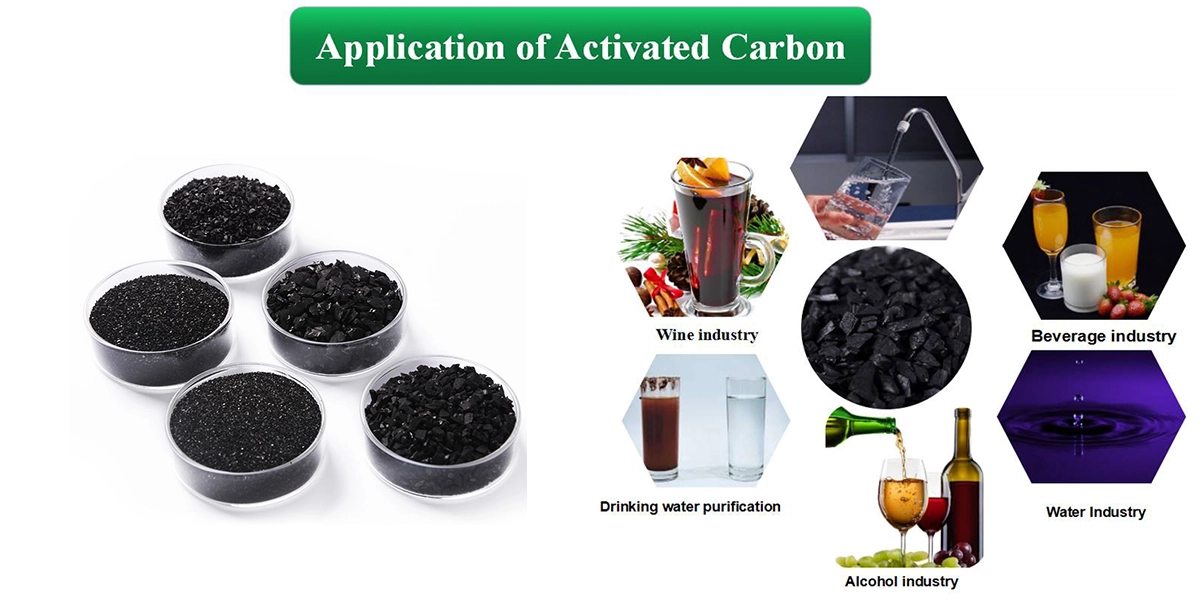
Products produced in coal-based granular activated carbon kilns are ideal for water treatment due to their well-developed pore structure and high adsorption efficiency:
Municipal Water Supply: Removes odor, taste, residual chlorine, and heavy metals (lead, mercury, etc.) from water, while reducing color.
Rainwater Purification: Used in rainwater collection systems to adsorb organic compounds, pesticides, and suspended solids, improving water quality and taste.
Industrial Wastewater Treatment: Treats printing and dyeing and chemical wastewater, removing COD, BOD, and recalcitrant organic matter.
Other Key Applications:
Air Purification: Adsorbs harmful gases such as formaldehyde and VOCs, and is used in air purifier filters.
Solvent Recovery: Recovers organic solvents such as benzene and ethanol in chemical production, reducing raw material consumption.
Desulfurization and Denitrification: Used as a catalyst carrier in power plant flue gas treatment to remove SO₂ and NOx.

High carbon yield: One ton of activated carbon can be produced from 5-6 tons of raw material. Both carbonization and activation are performed in an oxygen-free environment, minimizing carbon loss. The carbonization furnace utilizes segmented temperature control for controlled carbonization.
Adjustable Product Quality: Adjustable production process parameters enable the production of coconut shell activated carbon in various specifications.
High Automation: The entire equipment utilizes PLC automation control, and sensors are installed at multiple process nodes throughout the production line to ensure safety at every stage. The equipment’s process parameters can be automatically adjusted via the PLC, providing exceptional flexibility. The entire production line utilizes minimal labor, saving labor.
High production output: 5-20 tons/day.
| capacidad | 5-8t/d | 8-10t/d | 10-12t/d | 12-15t/d | 15-20t/d |
| Modelo de secadora | HG-800 | HG-1000 | HG-1200 | HG-1500 | HG-1800 |
| Potencia de secado | 3kw | 4kw | 7,5 kW | 15kw | 22kw |
| modelo de horno de carbonización continuo | TH-1500 | TH-1500 | TH-1800 | TH-2000 | TH-2000 |
| Temperatura de carbonización | 600-850℃ | ||||
| Contenido de carbono fijo tras la carbonización | 70-80% | ||||
| Material del tambor del horno de carbonización | 309S/310S | 309S/310S | 309S/310S | 309S/310S | 309S/310S |
| Modelo de horno de activación | HN-5 | HN-8 | HN-10 | HN-12 | HN-15 |
| Potencia del horno de activación | 15kw | 22kw | 30kw | 37kw | 37kw |
| Material de la cámara del horno de activación | QQ345+nano placa de aislamiento térmico+refractario | ||||
| Temperatura de activación | 850-950℃ | ||||
| Activador | Vapor de agua o ácido fosfórico (personalizado según los requisitos del cliente, se actualizará el diseño del equipo) | ||||
| Tiempo de activación | 1-2h | ||||
| Modelo de máquina de refrigeración | GTL-1004 | GTL-1204 | GTL-1206 | GTL-1504 | GTL-1506 |
| Temperatura tras el enfriamiento | ≤40℃ | ||||
| Modelo de trituradora de carbón activado | SGP-400 | SGP-400 | SGP-600 | SGP-800 | SGP-800 |
| Tamaño del producto acabado de carbón activado | 4-60mesh | ||||
| Índice de yodo del carbón activado | 800-1300mg/g | ||||
| Superficie específica del carbón activado | 800-1500m²/g | ||||
| Resistencia del carbón activado | ≥95 | ||||
| CTC | ≥60% | ||||
| Densidad de llenado | 0,45-0,55 g/cm3 | ||||
| Cenizas de carbón activado | ≤3% | ||||
Este sitio web utiliza cookies para mejorar su experiencia de navegación. Si continúa navegando, consideramos que acepta su uso. Los datos recogidos en este sitio web se procesan y almacenan en Estados Unidos.