 Henan Xuye Machinery Equipment Co. Ltd.


RECHERCHEZ CE QUE VOUS VOULEZ
Rechercher tousProduitActualités
RECHERCHE
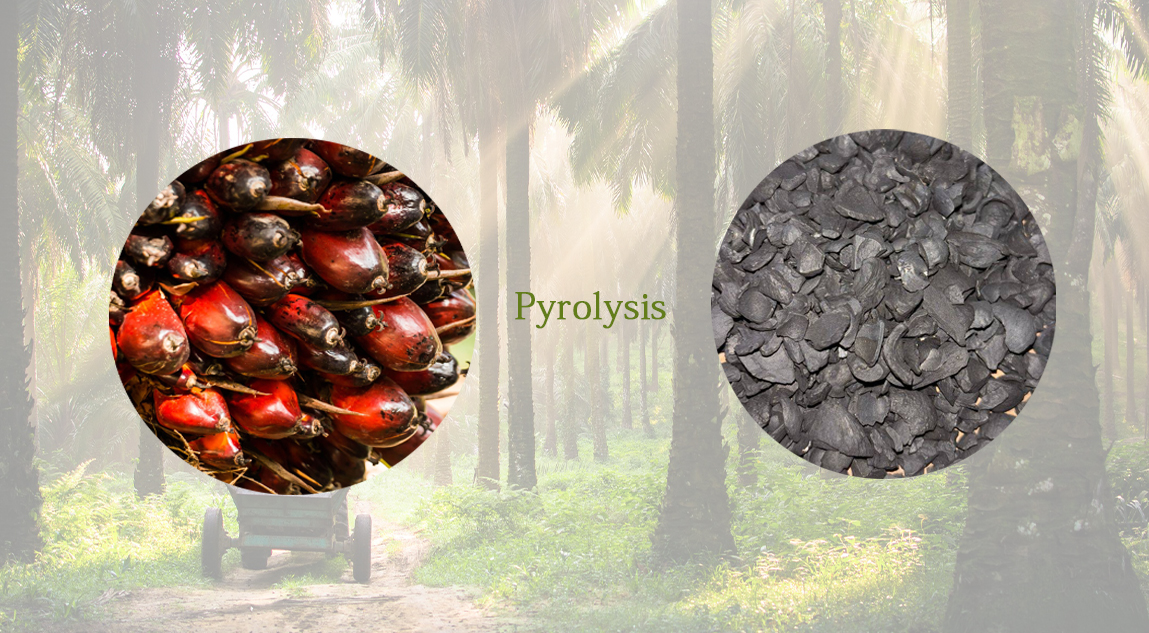
Empty Fruit Bunch (EFB) is one of the main wastes in the palm oil production process. Traditional treatment methods (such as incineration or landfill) not only pollute the environment, but also waste resources. However, through pyrolysis equipment and biochar carbonization furnace, EFB can be converted into high-value-added biochar for soil improvement, carbon sequestration and energy production.
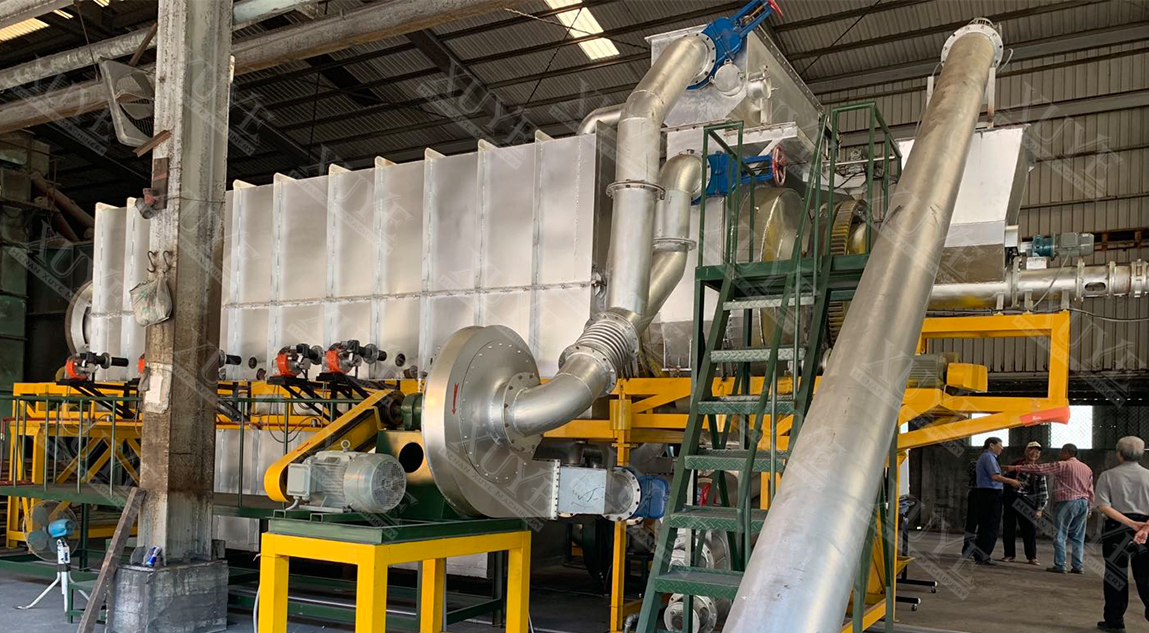
The continuous carbonization furnace is an efficient pyrolysis equipment designed for agricultural waste such as empty fruit bunches (EFB) of oil palm, which can realize the industrial production process of automatic feeding, continuous carbonization and efficient charcoal production. It can convert EFB into high-value-added biochar, while recovering combustible gas and bio-oil to achieve resource recycling.
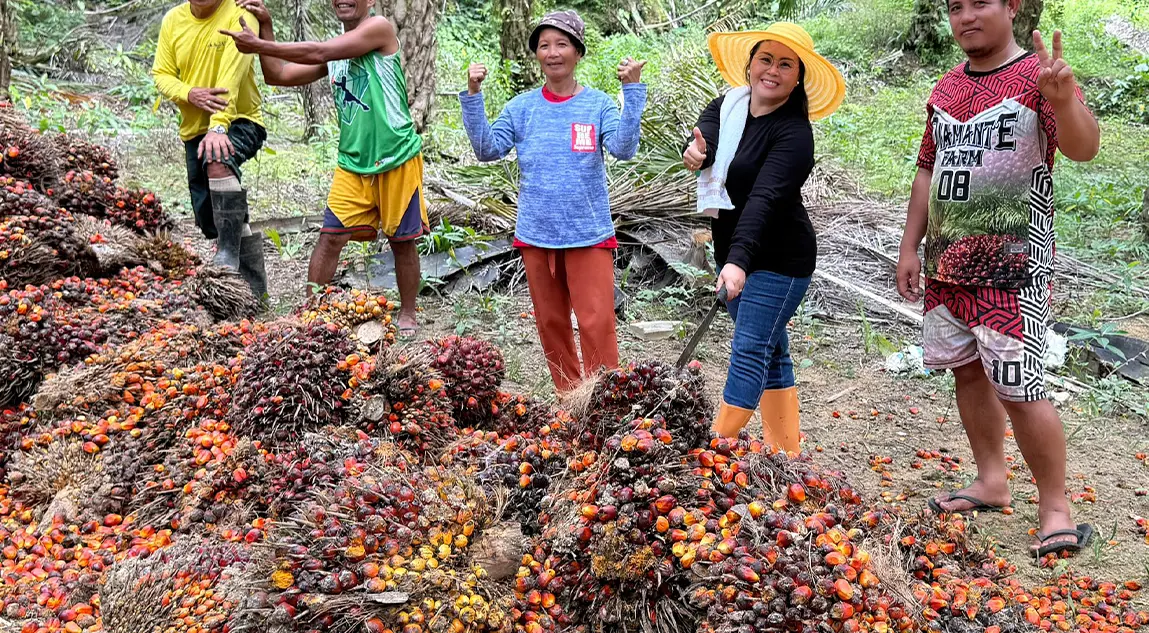
The palm oil industry is one of the most important agricultural economic industries in the world, but a large amount of palm oil mill waste (POMW) is generated during the processing of palm fruit (FFB, Fresh Fruit Bunch). If these wastes are not handled properly, they will cause environmental pollution, but if they are used reasonably, they can be converted into high value-added products such as biochar, bioenergy, organic fertilizer, etc.
The wastes generated during palm oil processing mainly include the following:
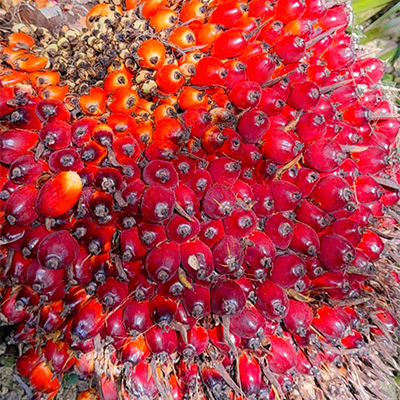
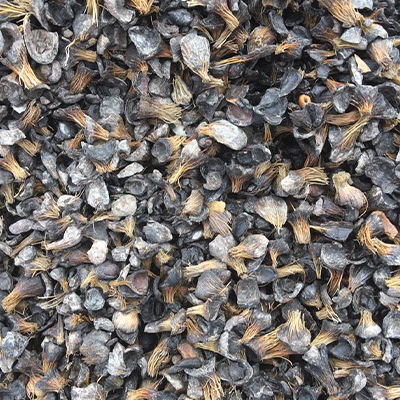
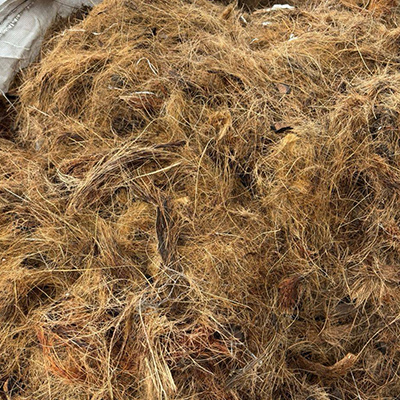
Source: Fibrous fruit bunches remaining after threshing of palm fruit.
Features:
High cellulose, hemicellulose and lignin content (suitable for pyrolysis to produce biochar).
Moisture content is about 50%-65%, and needs to be dried before use.
Yield: About 0.2-0.3 tons of EFB are produced for every ton of palm fruit processed.
Source: The hard shell left after the palm kernel is crushed.
Features:
High carbon content (high calorific value, about 16-19 MJ/kg), suitable for combustion or gasification power generation.
Low ash content, less residue after combustion.
Yield: About 0.05-0.1 tons of PKS are produced per ton of palm fruit.
Source: Residual fiber after oil extraction from palm pulp.
Features:
Oil residue (5%-10%), which can be further extracted or burned for energy.
Can also be used for compost or animal feed (defatting required).
Yield: Each ton of palm fruit produces about 0.12-0.15 tons of PPF.
Palm processing waste pyrolysis biochar has the triple benefits of environmental restoration, agricultural value-added and carbon emission reduction, and is particularly suitable for Southeast Asia, where the palm oil industry is intensive. In the future, its economic feasibility can be further improved by optimizing the pyrolysis process and developing slow-release fertilizer carriers.
Palm processing waste pyrolysis biochar has the triple benefits of environmental restoration, agricultural value-added and carbon emission reduction, and is particularly suitable for Southeast Asia, where the palm oil industry is intensive. In the future, its economic feasibility can be further improved by optimizing the pyrolysis process and developing slow-release fertilizer carriers.
| Modèle | XY-800 | XY-1000 | XY-1200 | XY-1500 | XY-1800 | XY-2000 |
| Nombre de couches de cylindres | Unique | Unique | Double | Double | Double | Double |
| Diamètre du cylindre | 800mm | 1000mm | 1200/700mm | 1500/900mm | 1800/1200mm | 2000/1500mm |
| Capacité | 200-300kg/h | 300-400kg/h | 450-600kg/h | 600-800kg/h | 800-1000kg/h | 1000-1200kg/h |
| Matériau du cylindre | 309S/310S/316L | 309S/310S/316L | 309S/310S/316L | 309S/310S/316L | 309S/310S/316L | 309S/310S/316L |
| Température | 500-800ºC | 500-800ºC | 500-800ºC | 500-800ºC | 500-800ºC | 500-800ºC |
| Temps de carbonisation | 20-60 minutes | 20-60 minutes | 20-60 minutes | 20-60 minutes | 20-60 minutes | 20-60 minutes |
| Taille des particules de la matière première | ≤4cm | ≤4cm | ≤4cm | ≤4cm | ≤4cm | ≤4cm |
| Méthode de chauffage | chauffage indirect | chauffage indirect | chauffage indirect | chauffage indirect | chauffage indirect | chauffage indirect |
| Mode de fonctionnement | travailler en permanence | travailler en permanence | travailler en permanence | travailler en permanence | travailler en permanence | travailler en permanence |
| Méthode de contrôle | Contrôle PLC | Contrôle PLC | Contrôle PLC | Contrôle PLC | Contrôle PLC | Contrôle PLC |

Continuous carbonization furnace is a kind of high-efficiency and energy-saving industrial heat treatment equipment, which is mainly used to continuously carbonize organic matter (such as wood, fruit shells, biomass, etc.) under oxygen-free or oxygen-limited conditions to produce products such as charcoal, activated carbon or biochar.
Continuous feeding and discharging: the material automatically enters the furnace through the conveying system (such as screw conveyor, belt conveyor), and the carbonized product is continuously discharged to achieve uninterrupted production.
Temperature-controlled carbonization: the furnace is divided into drying section, preheating section, carbonization section and cooling section. The temperature is usually controlled at 300~800℃ (adjusted according to the material), and heat is supplied by electric heating, gas or biomass combustion.
Efficient energy saving: the waste heat recovery system uses high-temperature flue gas to preheat new materials and reduce energy consumption.
Environmental protection: volatile matter (tar, combustible gas) can be collected and purified or burned for heating to reduce pollution.
Automatic control: the PLC system controls parameters such as temperature, feeding speed, atmosphere, etc. in real time, with high stability.
Strong adaptability: it can handle various forms of materials such as particles, powders, blocks (such as sawdust, coconut shells, straw).
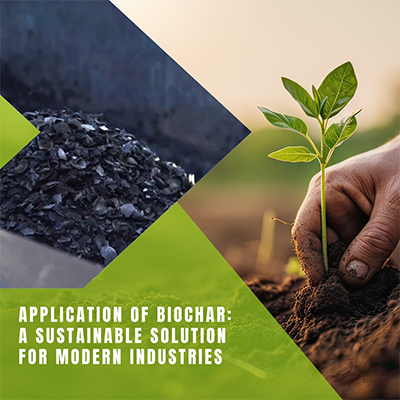
Biochar/activated carbon production: used for soil improvement, sewage treatment or industrial adsorbents.
Energy: Convert biomass into high-calorific charcoal fuel.
Waste treatment: Recycle agricultural/industrial organic waste (e.g. rice husks, plastics).
It is a porous carbon material made from palm oil processing byproducts such as palm shell, palm fiber, and palm empty fruit bunch (EFB) through high-temperature pyrolysis (usually 300~800℃) in Xuye’s continuous carbonization furnace under oxygen-free or oxygen-limited conditions. Due to its high carbon content, rich pore structure and stable chemical properties, it has wide application value in agriculture, environmental protection, energy and other fields.
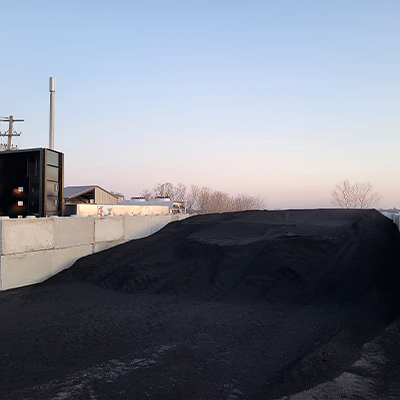
Soil conditioner
Improve soil structure, increase water retention and air permeability, especially suitable for poor or sandy soils.
Regulate soil pH to alleviate acidic soil problems (palm biochar is often alkaline).
Promote beneficial microbial activity and enhance soil fertility.
Slow-release fertilizer carrier
Carry nutrients such as nitrogen, phosphorus, and potassium, reduce leaching, and improve fertilizer utilization.
Combined with composting, it accelerates the decomposition of organic matter.
Fuel or energy production
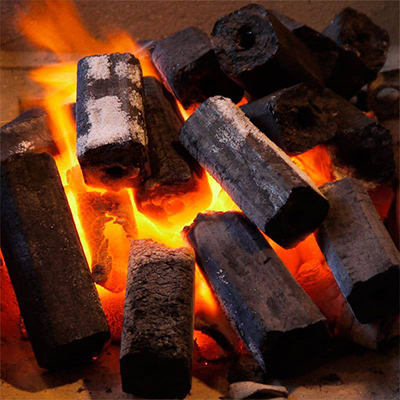
As a high calorific value solid fuel, it can replace some fossil fuels.
Processed into carbon rods or mixed with coal for use.
Industrial raw materials
Prepare activated carbon for wastewater treatment, air purification or decolorization in the food industry.
As a filler for rubber and plastics, it can reduce production costs.
Absorbing and fixing CO₂ through ecosystems, the main pathways include:
Forest carbon sequestration: Trees absorb CO₂ through photosynthesis and store it in biomass and soil.
Soil carbon sequestration: Agricultural management (such as no-tillage, cover crops) increases soil organic carbon.
Blue carbon ecosystems: Coastal ecosystems such as mangroves, salt marshes, and seagrass beds efficiently sequester carbon.
Ce site web utilise des cookies pour améliorer votre expérience de navigation. En continuant à utiliser ce site, vous acceptez l'utilisation de nos cookies. Les données collectées sur ce site sont traitées et stockées aux États-Unis.