 Henan Xuye Machinery Equipment Co., Ltd.


CERCARE CIÒ CHE SI DESIDERA
Cerca tuttiProdottoNotizie
RICERCA
The process of converting agricultural waste into valuable materials has garnered significant attention in recent years. Among these innovations, Hazelnut Shells Activated Carbon Rotary Kiln technology stands out as one of the most promising methods for producing high-performance activated carbon. Activated carbon is widely used for purification, filtration, and industrial applications, and the rotary kiln process provides an efficient and sustainable way to create this material from hazelnut shells—a renewable agricultural by-product.
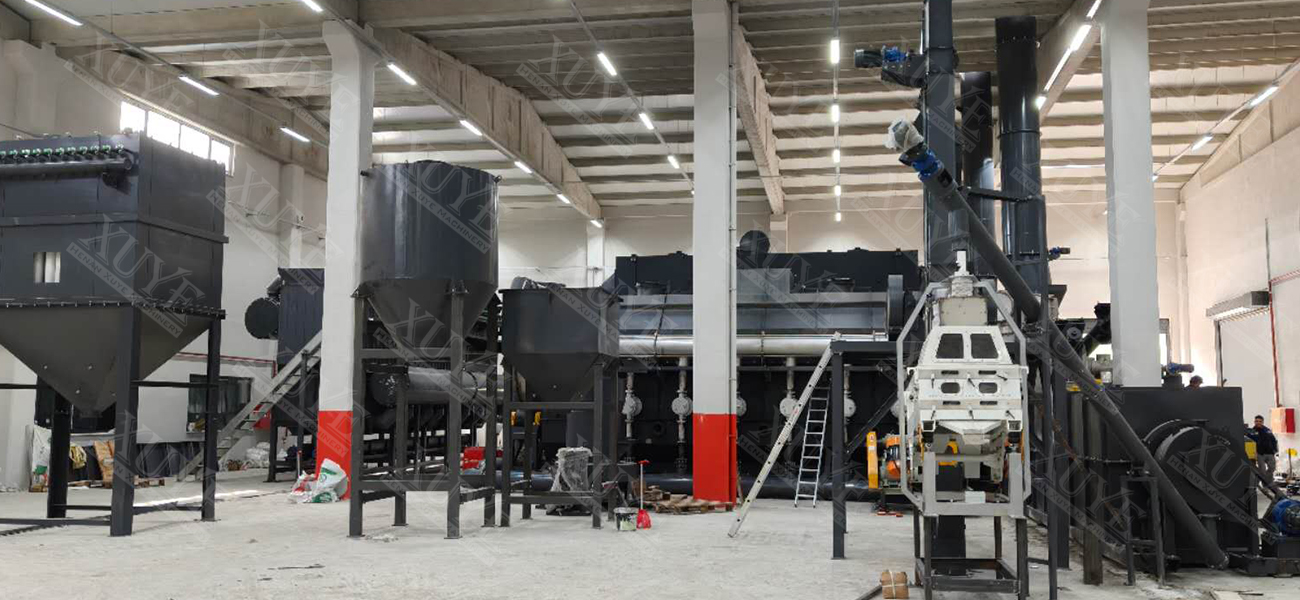
Activated carbon is a highly porous material that is widely used for adsorbing contaminants from liquids, gases, and solids. Its primary use is in air purification, water filtration, gold recovery, and even in food and beverage industries. The material has an extremely large surface area due to its porosity, which allows it to trap pollutants efficiently.
While activated carbon is typically made from coal, wood, or coconut shells, hazelnut shells are emerging as a viable alternative. These shells are naturally abundant, cost-effective, and possess high carbon content, making them an ideal raw material for activated carbon production.
The production of activated carbon from hazelnut shells using a rotary kiln involves several critical steps that include heating, carbonization, and activation. Here is a breakdown of the process:
Before the hazelnut shells can be processed, they must undergo a cleaning and drying phase. This step ensures that the shells are free from impurities such as dirt, chemicals, and moisture, which could affect the quality of the final product. The shells are typically dried to reduce moisture content to around 10% or less, which is critical for efficient carbonization.
In the carbonization phase, the dried hazelnut shells are fed into the rotary kiln, where they are heated at high temperatures in the absence of oxygen. This process, known as pyrolysis, breaks down the organic material in the shells, releasing volatile gases and leaving behind carbon-rich material. The temperature in the rotary kiln is typically maintained between 400°C to 800°C.
During carbonization, the hazelnut shells undergo significant physical and chemical changes. The volatile components (like water, hydrogen, and oxygen) evaporate, and the remaining material becomes enriched in carbon. The carbonized product is often referred to as biochar or charcoal.
After carbonization, the next step in the rotary kiln is activation. In this stage, the carbonized hazelnut shells are exposed to steam, air, or carbon dioxide at very high temperatures (800°C to 1100°C). This process increases the surface area of the carbon, creating the fine pores that allow the material to adsorb contaminants effectively.
The activation process is key to producing high-quality activated carbon, as the size and distribution of the pores directly influence the material’s adsorption capabilities. The activation step can be finely controlled to produce activated carbon with specific properties, such as high surface area or microporosity.
Once activation is complete, the activated carbon needs to be cooled rapidly to prevent further reactions. After cooling, the carbon is crushed to the desired particle size, making it suitable for various applications. The final product is a fine, granular form of activated carbon that can be used for a variety of industrial purposes.
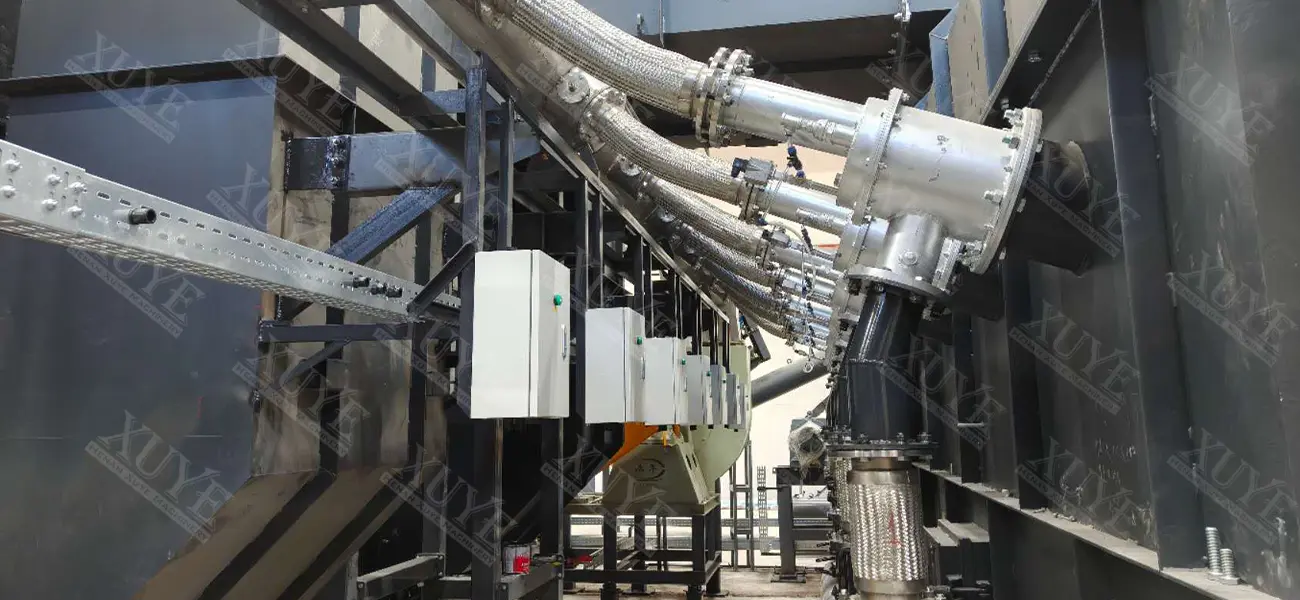
The Hazelnut Shells Activated Carbon Rotary Kiln offers several advantages, particularly in terms of sustainability, cost-effectiveness, and high-quality production. Here are the main benefits:
One of the major advantages of using hazelnut shells is their sustainability. Hazelnut shells are an agricultural by-product, meaning they would otherwise be discarded or used as low-value fuel. By utilizing these shells to produce activated carbon, the rotary kiln process helps to reduce waste, contributing to a circular economy and reducing the environmental impact of agricultural waste.
Hazelnut shells are a low-cost raw material, making them an affordable alternative to other sources of activated carbon. Additionally, the rotary kiln process itself is energy-efficient, as it allows for continuous operation and scalable production. This results in cost savings for producers, especially when processing large quantities of hazelnut shells.
The rotary kiln process offers precise control over the carbonization and activation stages, allowing for the production of activated carbon with high surface area, fine pores, and excellent adsorption capabilities. The final product is versatile and can be tailored for specific applications, from water filtration to air purification.
The rotary kiln process is highly scalable, making it suitable for both small-scale operations and large industrial production. Whether you’re producing activated carbon in small batches for local markets or processing large quantities for international export, the rotary kiln system can be adapted to meet different production needs.
The environmental impact of using hazelnut shells for activated carbon production is significantly lower compared to traditional methods that rely on non-renewable resources. Here’s how:
Instead of allowing hazelnut shells to become landfill waste, they are repurposed as a valuable resource for activated carbon production. This reduces the environmental burden of waste disposal and encourages sustainable farming practices.
The use of renewable resources (hazelnut shells) helps reduce the carbon footprint associated with activated carbon production. Additionally, the energy-efficient nature of the rotary kiln process minimizes the overall energy consumption, making it an environmentally friendly production method.
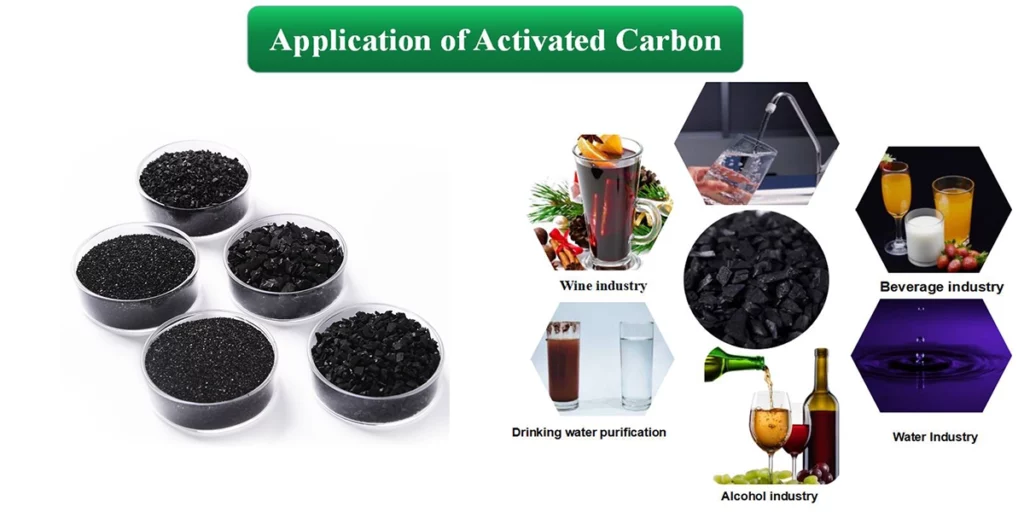
The activated carbon produced from hazelnut shells has a wide range of applications across different industries:
Activated carbon is widely used for water treatment to remove contaminants like chlorine, volatile organic compounds (VOCs), and heavy metals. Hazelnut shell-based activated carbon is highly effective in purifying drinking water, wastewater, and industrial effluents.
In the air purification industry, hazelnut shells activated carbon is used in filters to capture harmful gases, odors, and VOCs. This makes it an essential material for industrial air filtration systems, air purifiers, and chemical scrubbers.
Activated carbon is used in the gold extraction process to adsorb gold from cyanide solutions. The high surface area of hazelnut shells activated carbon makes it an excellent choice for gold recovery applications in the mining industry.
In the food and beverage industry, activated carbon is used to remove impurities, decolorize liquids, and purify oils. Hazelnut shells activated carbon is used for these applications due to its effectiveness and low cost.

| capacità | 5-8t/d | 8-10t/d | 10-12t/d | 12-15t/d | 15-20t/d |
| Modello di asciugatrice | HG-800 | HG-1000 | HG-1200 | HG-1500 | HG-1800 |
| Potenza dell'asciugatrice | 3kw | 4kw | 7,5kw | 15kw | 22kw |
| modello di forno a carbonizzazione continua | TH-1500 | TH-1500 | TH-1800 | TH-2000 | TH-2000 |
| Temperatura di carbonizzazione | 600-850℃ | ||||
| Contenuto di carbonio fisso dopo la carbonizzazione | 70-80% | ||||
| Materiale del tamburo del forno di carbonizzazione | 309S/310S | 309S/310S | 309S/310S | 309S/310S | 309S/310S |
| Modello di forno di attivazione | HN-5 | HN-8 | HN-10 | HN-12 | HN-15 |
| Potenza del forno di attivazione | 15kw | 22kw | 30kw | 37kw | 37kw |
| Materiale della camera del forno di attivazione | QQ345+nano pannello isolante termico+refrattario | ||||
| Temperatura di attivazione | 850-950℃ | ||||
| Attivatore | Vapore acqueo o acido fosforico (personalizzato in base alle esigenze del cliente, il progetto dell'apparecchiatura sarà aggiornato) | ||||
| Tempo di attivazione | 1-2h | ||||
| Modello di macchina di raffreddamento | GTL-1004 | GTL-1204 | GTL-1206 | GTL-1504 | GTL-1506 |
| Temperatura dopo il raffreddamento | ≤40℃ | ||||
| Modello di frantoio a carbone attivo | SGP-400 | SGP-400 | SGP-600 | SGP-800 | SGP-800 |
| Dimensioni del prodotto finito in carbone attivo | 4-60mesi | ||||
| Valore di iodio del carbone attivo | 800-1300mg/g | ||||
| Area superficiale specifica del carbone attivo | 800-1500m²/g | ||||
| Resistenza del carbone attivo | ≥95 | ||||
| CTC | ≥60% | ||||
| Densità di riempimento | 0,45-0,55g/cm3 | ||||
| Ceneri di carbone attivo | ≤3% | ||||
Questo sito web utilizza i cookie per migliorare la vostra esperienza di navigazione. Continuando a utilizzare questo sito, accettate l'uso dei nostri cookie. I dati raccolti da questo sito web vengono elaborati e conservati negli Stati Uniti.