 Henan Xuye Machinery Equipment Co., Ltd.
SEARCH WHAT YOU WANT
Search allProductNews
SEARCH
An activated carbon rotary kiln is a continuous, rotating cylindrical furnace used to carbonize and/or activate raw carbon-rich material — such as coconut shell, wood, or coal — into finished activated carbon. Raw material moves through the slowly rotating, slightly inclined drum while being exposed to controlled high temperature, either in a low-oxygen atmosphere (for carbonization) or in the presence of steam or a chemical activating agent (for activation), developing the porous internal structure that gives activated carbon its adsorption capacity.
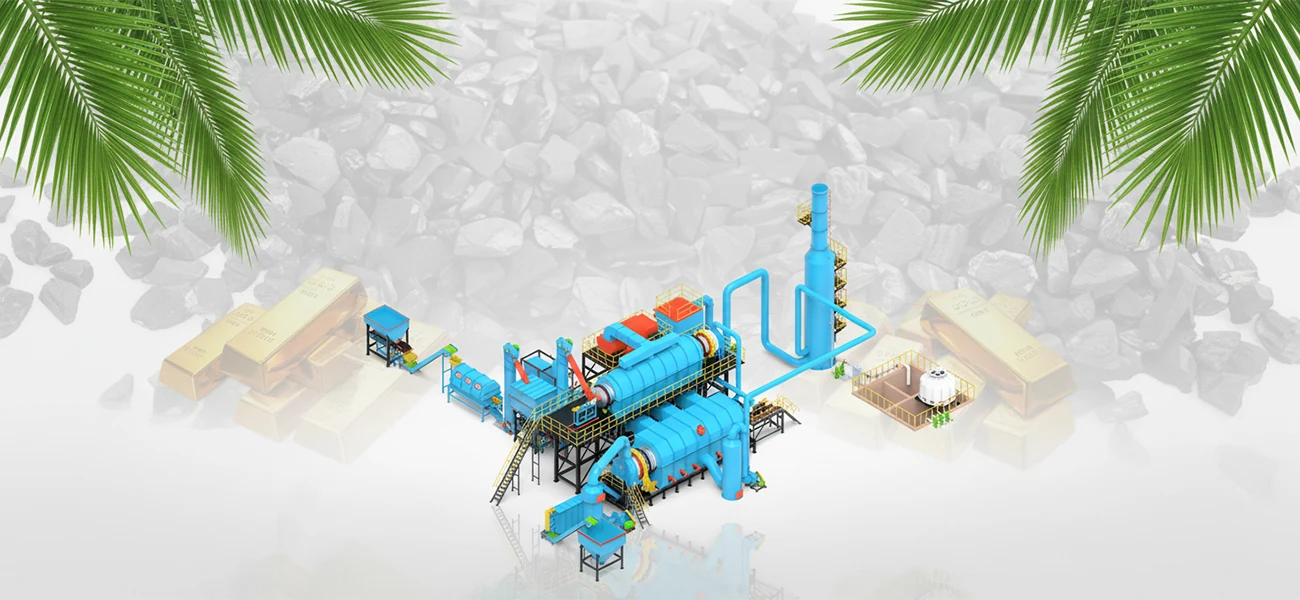
If you’ve looked into activated carbon production equipment at all, you’ve likely noticed that rotary kilns come up constantly — and there’s a straightforward reason for that. Compared to batch-type furnaces, a rotary kiln processes material continuously: raw material goes in one end, finished product comes out the other, with no need to stop, load, process, and unload in discrete batches. For any operation beyond small-scale or trial production, that continuous processing capability translates directly into higher, more predictable throughput and lower labor cost per ton of product.
That said, “rotary kiln” isn’t a single, one-size-fits-all product — there are meaningful differences in configuration, and understanding them matters for making a sound equipment decision.
At its core, a rotary kiln is a cylindrical drum, mounted at a slight incline, that rotates slowly and continuously on a support system while raw material moves through it under controlled thermal conditions.
1. Material Feed — Prepared raw material (crushed and sized coconut shell, wood chips, coal, or other carbon-rich feedstock) is fed continuously into the kiln’s elevated inlet end, typically via a screw conveyor or similar metering system that maintains a steady, controlled feed rate.
2. Rotation and Material Movement — As the drum rotates, the combination of rotational tumbling and the kiln’s slight downward incline gradually moves material along the length of the drum toward the discharge end. Internal lifting flights, where present, help tumble and redistribute the material as it moves, promoting more even heat exposure across the material bed rather than allowing it to sit in a static pile against the drum wall.
3. Controlled Heating — Heat is applied either directly (combustion gas contacting the material) or indirectly (heat transferred through the drum wall without direct gas contact), depending on the specific kiln design. For carbonization, this heating occurs under limited-oxygen conditions to drive off volatile compounds without combusting the material outright. For activation, the material is exposed to a higher-temperature environment along with steam, CO2, or — in chemical activation processes — a pre-impregnated chemical activating agent, which develops the material’s internal pore structure.
4. Residence Time Control — The combination of drum rotation speed and incline angle determines how long material remains inside the kiln (its “residence time”), which is one of the most important process variables affecting the degree of carbonization or activation achieved. Rotation speed is typically adjustable, allowing operators to fine-tune residence time in response to raw material characteristics or target product specifications.
5. Discharge — Processed material exits the kiln’s lower, discharge end and proceeds to the next stage of production — carbonized char moving on to a separate activation kiln, or finished activated carbon proceeding to washing (if chemically activated), drying, and screening.
6. Gas and Byproduct Handling — Exhaust gas from the kiln — carrying volatile compounds released during processing, along with any entrained fine particulate — is typically directed through gas handling equipment, which may include condensation systems to recover byproducts like wood vinegar (particularly valuable in carbonization of wood-based raw material), combustion systems to utilize recovered gas as supplementary fuel, and dust collection equipment to meet particulate emission requirements.
It’s worth being clear about a distinction that sometimes causes confusion: “rotary kiln” can refer to equipment used for carbonization, activation, or — in some system designs — both stages combined in a single unit.
Whether a combined unit or two separate kilns makes more sense for your operation depends on your target production scale, available plant footprint, and how much independent control you need over carbonization versus activation process parameters.
Beyond the carbonization/activation distinction, rotary kilns also differ in how heat is delivered to the material:
Direct-fired kilns allow combustion gas or heated air to contact the material directly inside the drum. This is generally more thermally efficient and is widely used across activated carbon production, particularly for physical (steam) activation processes.
Indirect-fired kilns transfer heat through the drum wall without direct combustion gas contact with the material — often achieved through an external heating jacket or muffle-type construction. This approach can offer more precise atmosphere control (useful where limiting oxygen exposure with high precision matters) and avoids any risk of combustion byproducts contaminating the product, though typically at somewhat lower thermal efficiency and higher equipment cost than direct-fired designs.on depends on your target production scale, available plant footprint, and how much independent control you need over carbonization versus activation process parameters.
Larger diameter and longer drums support higher throughput capacity, but the relationship between dimensions and capacity isn’t purely linear — residence time, rotation speed, and internal flight design all interact with drum geometry to determine actual production output for a given raw material.
Adjustable rotation speed allows operators to control material residence time, which directly affects the degree of carbonization or activation achieved. Faster rotation reduces residence time (useful for less demanding processing requirements or higher-throughput operation), while slower rotation extends residence time (useful for more thorough processing of harder or denser raw materials).
The kiln’s incline angle works together with rotation speed to control the rate at which material moves through the drum — steeper incline moves material faster, shallower incline extends residence time, similar in effect to slowing rotation speed but achieved through a different mechanical parameter.
Internal lifting flights, where used, promote more uniform material exposure to heat by continuously redistributing the material bed as the drum rotates, rather than allowing material to remain in a static pile that would carbonize or activate unevenly between its exposed surface and interior.
The kiln shell’s internal lining and overall material construction need to withstand sustained high-temperature operation, along with any corrosive characteristics specific to the raw material and process byproducts involved, over the equipment’s long operating life.
Rotary kilns are used across the full range of common activated carbon feedstocks:
Raw material characteristics — particle size, density, moisture content, and inherent volatile content — all influence appropriate kiln sizing, rotation speed, and residence time, meaning kiln configuration should generally be matched to your specific intended feedstock rather than assumed to be universally interchangeable.

Customized activated carbon kiln specifications according to customer needs, providing full technical solutions from laboratory-level small equipment to large production lines, supporting PLC automation control.
View details
Customized activated carbon kiln specifications according to customer needs, providing full technical solutions from laboratory-level small equipment to large production lines, supporting PLC automation control.
View details
Activated carbon kiln, activated carbon production equipment, carbonization furnace, activation furnace
View details
Activated carbon kiln, activated carbon production equipment, carbonization furnace, activation furnace
View details